
Plants
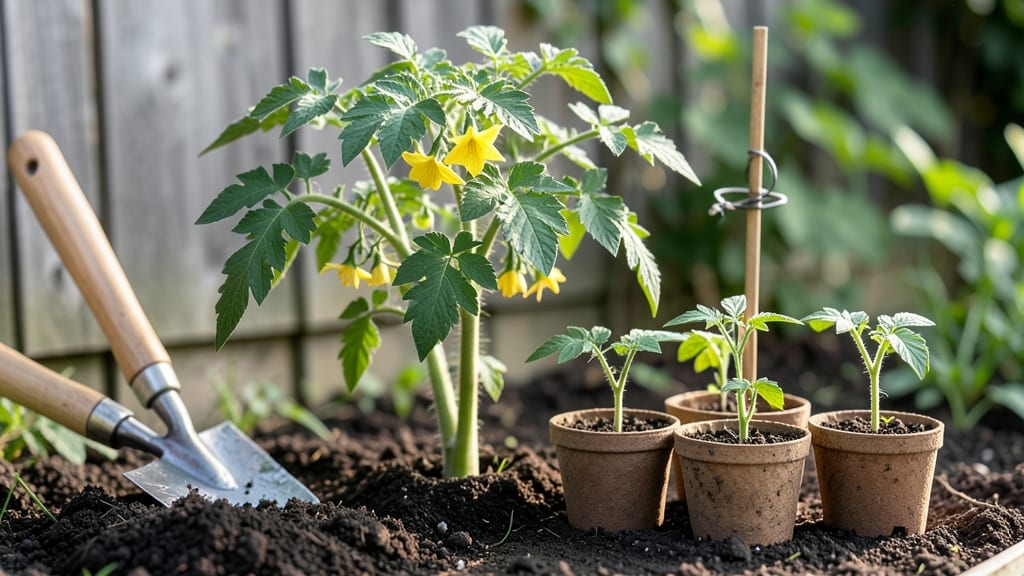
When do you plant the tomatoes in Pennsylvania can mean the difference between a bumper crop of juicy 🍅 or a season of disappointment.
With average last frost dates around April 15 and first frost creeping in by October 15, getting those seedlings in the ground at just the right moment is the key to avoiding bolting and maximizing your harvest.
If you’ve ever watched your tomato plants suddenly flower and fruit all at once—only to have those tomatoes turn bitter or rot before ripening—you know how frustrating it can be.
The secret isn’t just waiting for the frost to pass; it’s about soil temperature, nighttime warmth, and understanding how your specific zone (6a or 7) plays into the equation.
In this guide, I’ll break down exactly when to plant—whether you’re starting with seedlings or sowing directly—so you can learn how to align your schedule with Pennsylvania’s unpredictable spring. No more guesswork, just a foolproof plan to turn your garden into a tomato powerhouse.
From transplanting after April 15 to adjusting for microclimates, you’ll discover the most important dates and strategies to ensure your tomatoes thrive from seedling to harvest. Let’s get those plants in the ground the right way!
Pennsylvania tomato planting calendar by Zone 6 vs. 7 (with exact dates)
Timing your tomato planting in Pennsylvania is all about beating the last frost while avoiding bolting from chilly soils. Zone 6 (northern PA) and Zone 7 (southern PA) have different windows, but both require soil temps above 60°F and nighttime temps over 50°F.
In Zone 6, where frosts linger until April 15, you’ll need to wait patiently—while Zone 7 gardeners can start 2–3 weeks earlier thanks to milder springs.
For direct-sown tomatoes, aim for May 1–May 15 in Zone 6 and April 15–April 30 in Zone 7. If you’re transplanting seedlings, shift these dates 2–3 weeks earlier to give plants a head start.
Microclimates matter too—Pittsburgh’s valleys stay cooler longer than Philadelphia’s urban heat islands, so adjust by 3–5 days based on your elevation and local frost records.
🌱
| Zone | Last Frost Date | Ideal Transplant Window | Direct Sow Window | Soil Temp Threshold |
|---|---|---|---|---|
| Zone 6 (e.g., Erie, Scranton) | April 15 | May 1–May 15 | May 15–May 30 | 60°F (15°C) |
| Zone 7 (e.g., Philadelphia, Harrisburg) | April 1 | April 15–April 30 | April 30–May 15 | 60°F (15°C) |
| Microclimate Adjustments | N/A | Shift 3–5 days earlier for urban heat islands | Delay 3–5 days in valleys | Use black plastic mulch to warm soil |
Pro tip: Use a soil thermometer to confirm temps—cool, wet springs can delay planting by 2–4 weeks. If you’re in doubt, opt for early-maturing varieties like 'Early Girl' or 'Stupice' to stretch your season. These thrive even with late starts, giving you tomatoes by July 4th in Zone 6.
For container gardeners, extend your window by 1–2 weeks—pots warm up faster than ground soil. Just ensure your containers are at least 12 inches deep and use heat-absorbing fabric to mimic ground temps. In my own garden, I’ve seen container tomatoes ripen 10–14 days earlier than in-ground plants!
Don’t forget to account for degree-day accumulators if you’re pushing the envelope. Tomatoes need 1,000–1,200 degree-days to mature, so late plantings may only yield small cherry tomatoes before frost. Use a free online calculator to estimate your local degree-days and adjust dates accordingly.
🌡️
If you’re still unsure about your local frost dates, check the Penn State Extension’s frost maps or sign up for local weather alerts. I’ve had years where a late frost in early May wiped out my early plantings—always have backup seedlings ready to transplant if needed.
And remember: black plastic mulch can add 2–4°F to soil temps, giving you an extra 10–14 days of planting flexibility.
Finally, mark your calendar for June 1st as a hard cutoff for direct sowing. After that, seedlings may bolt before fruiting. For transplanting, June 15th is your last chance in Zone 6—after that, focus on fall varieties like 'Celebrity' or 'Roma' for a late harvest.
How to time tomato planting for zero bolt risk (proven strategies)
Timing your tomato planting in Pennsylvania isn’t just about avoiding frost—it’s about preventing bolting, where plants flower prematurely and produce bitter fruit. The key is balancing soil temperature, air temperature, and degree-day accumulators to sync with your region’s microclimate.
For Zone 6 (e.g., Harrisburg), aim for May 1–15 after the last frost, while Zone 7 (e.g., Philadelphia) can start April 20–May 5. Use a soil thermometer to confirm the ground is at least 60°F (15°C)—cold soil delays root growth and invites disease.
If spring drags on, don’t panic. Pennsylvania’s degree-day accumulators (tracked via local ag extensions) help predict safe planting. For tomatoes, target 250–300 degree-days after your last frost date. Tools like the Penn State Extension’s Degree Day Calculator let you input your ZIP code for real-time updates.
Pro tip: Black plastic mulch warms soil by 5–10°F, giving you a 2-week head start in cooler areas like Erie.
⚠️ CALLOUT-WARNING ⚠️
Planting tomatoes after June 1 in Zone 6 or June 15 in Zone 7 risks bolting, especially for early-maturing varieties. If you miss the window, opt for heat-tolerant varieties like 'Heatmaster' or 'Solar Fire'—they handle summer’s intensity better. For a backup, start seeds indoors in March and transplant hardened-off seedlings by early May.
Hardening off seedlings is non-negotiable in Pennsylvania’s erratic spring. Begin 7–10 days before transplanting by exposing seedlings to outdoor conditions for 1–2 hours daily, gradually increasing to full sun. Use shade cloth on windy days to avoid stress. A trick I swear by? Mist seedlings with water before moving them outside—it mimics morning dew and reduces transplant shock.
For container gardeners, time is even tighter. Pots heat up faster, so plant 1–2 weeks later than in-ground tomatoes to avoid overheating roots. Use self-watering containers with 5-gallon capacity (minimum) to stabilize soil temps.
If your balcony faces west, consider white-washed pots to reflect excess heat. And never skip cage or trellis support—windy Pennsylvania afternoons can topple unsecured plants faster than you can say "blight."
Track your local first frost date (Zone 6: Oct 15; Zone 7: Oct 30) and count backward. Tomatoes need 80–100 days to mature, so plant no later than August 1 in Zone 6 or August 15 in Zone 7.
For a second harvest, try cherry tomatoes (faster maturing) or semi-dwarf varieties like 'Patio Princess'—they ripen quicker in cooler fall temps. Save seeds from your best producers to create a Pennsylvania-adapted heirloom line over time!
Protect your investment with row covers if frost sneaks in early. They add 2–4°F to soil temp and shield plants from light frosts (28–32°F). Remove covers by late May to avoid overheating.
Pair this with drip irrigation (set to morning watering) and you’ll dodge fungal diseases like early blight, which thrives in wet foliage. Consistency is your best friend—tomatoes forgive late starts but never forgive neglect.