
Plants
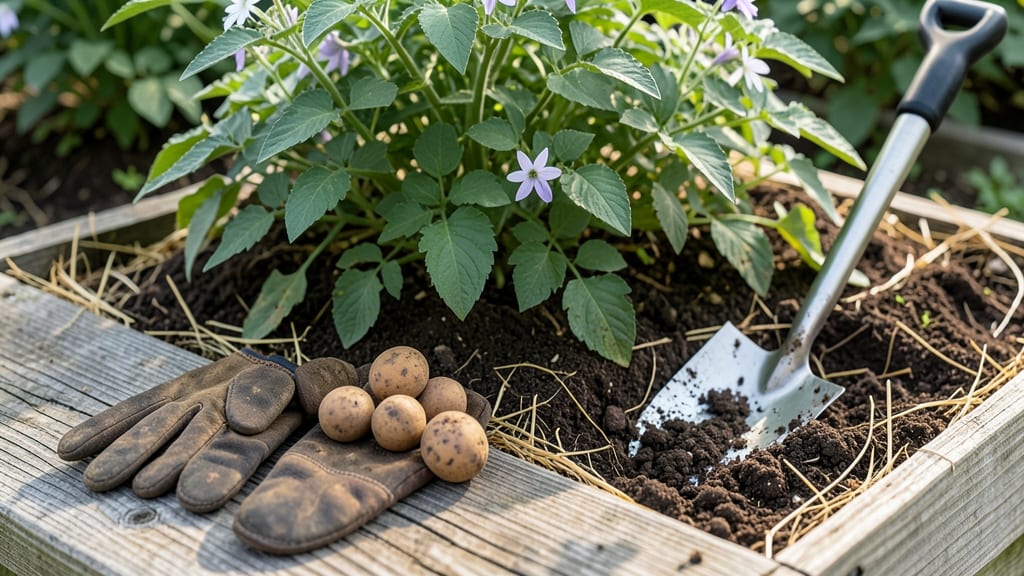
Timing when do you plant potatoes in Illinois isn't just about following a calendar—it's about reading your soil's secret signals before the last frost bites. Plant too early, and you risk frost damage or slow growth; too late, and your harvest shrinks.
But when you nail the 50°F soil temperature trigger, you unlock a garden full of crisp, homegrown spuds with minimal effort.
Most Illinois gardeners in USDA zones 5-6 know the rule: aim for March to April planting, but that’s just the starting point. The real magic happens when your soil warms consistently, signaling it’s time to tuck those seed potatoes 2-4 inches deep.
Miss this window, and you might end up with stunted plants or a harvest that never materializes—something no gardener wants after all that planning.
What if you’re in northern Illinois, where frost lingers longer? Or southern Illinois, where spring arrives earlier? The answer lies in understanding your microclimate and adjusting your planting schedule accordingly.
I’ll show you exactly how to time it right, whether you’re a first-time gardener or a seasoned pro looking to maximize your yield.
From soil temperature charts to frost-free date calculators, you’ll learn the most efficient way to plant potatoes in Illinois—so you can enjoy a bountiful harvest from July to September without the guesswork. Let’s get those spuds in the ground the right way!
Illinois potato planting timeline: exact soil temperature triggers by region
Timing your potato planting in Illinois isn’t just about months—it’s about soil temperature and microclimates. Northern Illinois (USDA Zone 5) has colder springs than Southern Illinois (Zone 6), so your planting window shifts dramatically.
The magic number? 50°F soil temperature—potatoes won’t sprout until the soil reaches this threshold consistently.
Most Illinois gardeners aim to plant 2-4 weeks before the last frost date, but this varies yearly. For example, Chicago’s last frost typically falls around April 15, while St. Louis sees it closer to April 1.
Using a soil thermometer (not air temperature!) ensures you’re ready to go when the time comes.
Here’s the golden rule: Plant when your soil hits 50°F for 3+ days and stays above freezing at night. This usually lands in late March to early April for most of Illinois, but urban areas like Aurora or Decatur may need to wait until mid-April due to heat islands.
🌱 Illinois Potato Planting Timeline by Region
| Region | USDA Zone | Ideal Planting Window | Soil Temp Trigger | Last Frost Date |
|---|---|---|---|---|
| Northern IL (Chicago, Rockford) | 5a/5b | Late March–Early April | 50°F (consistent) | April 15–20 |
| Central IL (Peoria, Springfield) | 5b/6a | Early–Mid April | 50°F (consistent) | April 1–10 |
| Southern IL (St. Louis, Carbondale) | 6a/6b | Mid–Late March | 50°F (consistent) | March 25–April 5 |
📌 Pro Tip: Check NWS climate data for your county’s 30-year averages to refine your timing.
If you’re eager to get started, you can even pre-sprout seed potatoes indoors in late February. Place them in a cool, bright spot (like a sunny windowsill) and watch for 1-inch sprouts before transplanting. This gives you a 2-week head start on neighbors who wait for soil warmth.
For gardeners in Zone 5a (northern tip), consider using black plastic mulch to warm the soil faster. Lay it down 2 weeks before planting to accelerate soil temperature rise. Just remove it once potatoes emerge to avoid overheating.
Don’t overlook moon planting phases if you’re superstitious—some Illinois farmers swear by planting during a waxing moon for better tuber formation. While science doesn’t back this, it’s a fun tradition to pair with your soil temp checks!
For real-time updates, bookmark the Midwestern Regional Climate Center’s soil temperature maps. They update daily and show exactly when your area hits that critical 50°F mark. A little tech helps avoid the heartbreak of frost-nipped sprouts!
Once planted, maintain consistent moisture—potatoes need 1 inch of water weekly—but avoid waterlogging. Illinois’ spring rains can make this tricky, so amend your soil with compost to improve drainage before planting. This prevents rot and scab diseases, which thrive in soggy conditions.
Remember: Early planting = earlier harvest, but don’t rush. If your soil is too cold or wet, your potatoes will rot before they sprout. Patience here pays off with bigger yields and fewer pests—because happy potatoes grow faster and deeper!
5 Critical mistakes that ruin your Illinois potato harvest (and how to avoid them)
Timing your potato planting in Illinois isn’t just about picking a month—it’s about avoiding these five common mistakes that turn promising harvests into disappointing failures. I’ve seen gardeners lose entire crops because of oversights like planting too early or ignoring soil temperature warnings.
Let’s fix that before you dig your first trench.
First, many Illinois gardeners make the mistake of planting potatoes before the soil reaches 50°F. Cold soil slows germination, leaving your seed potatoes vulnerable to rot. I once planted mine in early March when the ground was still chilly, and only 30% of my tubers sprouted.
Use a soil thermometer—it’s a small investment that saves big headaches.
Here’s the fix: Wait until two weeks before your last frost date (usually mid-April for most of Illinois) AND confirm soil temps are consistently above 50°F. For Northern Illinois (USDA Zone 5), aim for late April.
Southern Illinois (Zone 6) can start as early as mid-March if conditions are right.
🚨 Warning: Planting Too Late
Don’t wait until May! Late plantings in Illinois mean potatoes won’t mature before the first frost (mid-October).
- ✅ Solution: Use early-maturing varieties (like 'Yukon Gold' or 'Red Norland') if planting after April 15.
- ✅ Pro Tip: Cover rows with frost cloth to extend the season by 2-3 weeks.
Another mistake? Skipping proper soil preparation. Potatoes need loose, well-draining soil rich in organic matter. I’ve seen gardeners plant directly into compacted or clay-heavy soil, leading to stunted tubers and poor yields. Before planting, mix in 3-4 inches of compost and avoid working the soil when it’s wet.
For Illinois gardeners, chitting potatoes indoors (pre-sprouting) is a game-changer. Place seed potatoes in a cool, bright spot 4-6 weeks before planting. This gives you a 2-week head start on growth once they’re in the ground.
Just don’t let the sprouts grow longer than 1-2 inches—long sprouts break easily when transplanting.
Finally, many forget that potatoes need consistent moisture but hate soggy soil. In Illinois’ unpredictable spring rains, I’ve seen potatoes develop scab disease from too much water. Water deeply once a week (1 inch total) and avoid overhead sprinkling. Mulch with straw to keep soil temps stable and moisture even.
By avoiding these mistakes—wrong timing, poor soil prep, and watering errors—you’ll turn Illinois’ short growing season into your potato-growing advantage. Now grab those seed potatoes and get planting!