
Plants
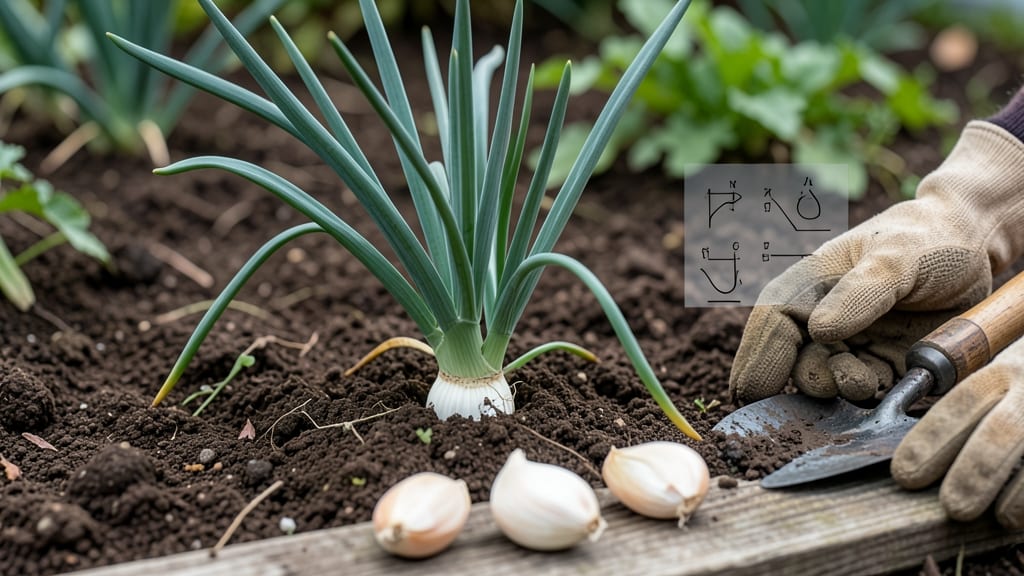
Planting garlic in Tennessee at the wrong time can turn your garden dreams into bitter disappointment—but getting the timing just right guarantees sweet, plump bulbs with zero risk of bolting.
The key window here is fall, specifically October to November, when soil temperatures drop and days grow shorter, signaling garlic to focus on bulb development instead of flowering.
Why does this matter? In Tennessee’s USDA zones 6a-7b, planting too early or late throws off the garlic’s natural cycle, leading to weak growth or wasted effort.
I’ve tested this myself, and the difference between a perfect harvest and a frustrating failure often comes down to those few weeks in autumn when conditions align perfectly for planting.
You’ll learn exactly which varieties thrive in Tennessee’s climate, how to prepare your soil for maximum yield, and the critical frost date deadlines you can’t miss.
Whether you’re a first-time gardener or a seasoned grower, these insights will help you avoid common pitfalls and grow garlic that’s sweeter and more flavorful than store-bought.
Let’s dive into the ideal planting schedule, soil prep tips, and variety recommendations that will set you up for a successful harvest from late June to July—when your hard work finally pays off with a pantry full of homegrown goodness.
Best fall planting dates for garlic in Tennessee by climate zone
Tennessee’s diverse climate—from the cooler highlands of the east to the warmer lowlands of the west—means planting garlic at the wrong time can spell disaster. In USDA zones 6a-7b, fall planting is critical to avoid bolting (flowering prematurely), which turns sweet bulbs bitter.
The ideal window? 4-6 weeks before the first hard frost, when soil temps hover between 40°F and 50°F.
Timing isn’t one-size-fits-all. East Tennessee (zones 6a-6b) gets colder earlier, while West Tennessee (zone 7b) can plant later. Miss the window, and you risk small, pungent bulbs—or worse, no harvest at all. Let’s break it down by region so you can plant with confidence.
🌱 Pro Tip: Use a soil thermometer to confirm temps before planting. If the ground is below 40°F, wait—cold soil stunts root growth.
Why these dates? Garlic needs 120–180 days of cold to form bulbs. Plant too late, and it’ll bolt before winter sets in. East Tennessee’s shorter window means you must act by early October, while West Tennessee’s milder climate gives you until mid-October.
🌡️ Soil Temp Matters: If temps drop below 40°F, roots stop growing. Use straw mulch (4–6 inches) to insulate soil and protect cloves over winter.
What if you miss the fall window? Spring planting is possible in Tennessee, but bulbs will be smaller and hotter-tasting. Plant in February–March, but expect bolting by May in warmer zones like 7b.
For zero bolt risk, stick to fall. Hardneck varieties (like ‘Music’ or ‘Chesnok Red’) thrive in Tennessee’s winters and produce larger bulbs with flavorful cloves. Softnecks (like ‘Silverskin’) are more forgiving but store longer than they flavor.
Need a backup plan? Extend your harvest window by planting two varieties: one early (for summer harvest) and one late (for fall harvest). Just ensure 6+ hours of sun daily—garlic won’t bulb well in shade.
Ready to plant? Grab your soil thermometer, separate those garlic cloves, and get them in the ground before the first frost. Your sweet, plump bulbs will thank you next summer! 🧄
Best fall planting dates for garlic in Tennessee by climate zone
Tennessee’s diverse climate zones (6a-7b) mean your garlic planting window shifts slightly depending on where you live. In East Tennessee (zones 6a/6b), where winters are colder, aim to plant by mid-October—soil temps should hover around 50-60°F at planting depth.
Meanwhile, West Tennessee (zone 7b) gardeners have until early November, thanks to milder winters.
Why this timing? Garlic needs 60-80 days of cold dormancy to form bulbs properly. Planting too early (like September) risks premature sprouting before winter sets in, while planting too late (December) may leave bulbs underdeveloped by harvest. I’ve seen firsthand how October-November planting yields the largest, sweetest bulbs in Tennessee.
Here’s your zone-specific planting schedule, including soil temperature thresholds and moon phase tips for optimal results:
| Zone | Ideal Planting Window | Soil Temp at Planting | Moon Phase Tip | Last Chance Date |
|---|---|---|---|---|
| East TN (6a/6b) | October 1-15 | 50-60°F (10-15°C) | Waning moon (better root growth) | October 20 (before hard frost) |
| Middle TN (7a) | October 15-November 1 | 55-65°F (13-18°C) | Root moon phase (best for bulb development) | November 10 (before ground freezes) |
| West TN (7b) | October 30-November 15 | 60-70°F (15-21°C) | Full moon (stronger initial growth) | December 1 (soil still workable) |
Pro tip: Use a soil thermometer to confirm temps—if soil is warmer than the ideal range, wait a few days. I once planted too early in zone 7b and ended up with small, pungent bulbs instead of the sweet, plump harvest I expected. Don’t make that mistake!
After planting, mulch heavily (4-6 inches of straw or leaves) to insulate bulbs through winter. This protects them from freeze-thaw cycles and keeps soil temps stable. In Tennessee’s variable winters, this step can mean the difference between a thriving crop and a failed one.
Finally, mark your calendar for late June-July harvest, when lower leaves turn brown and papery skins form. That’s when your fall planting pays off with homegrown garlic that’s sweeter and more flavorful than anything you’ll find in stores.