
Plants
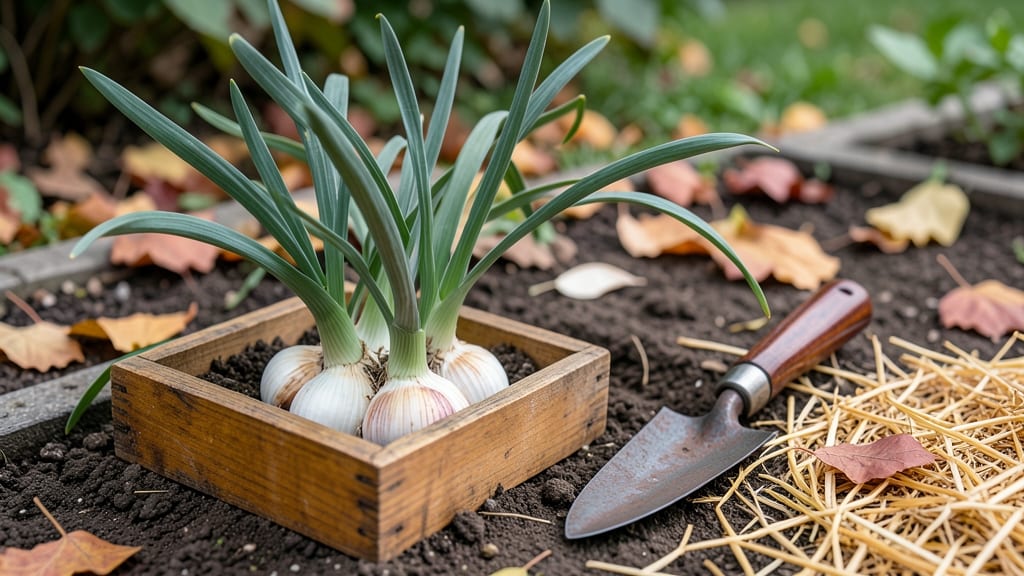
If you’ve ever planted garlic in Georgia only to watch it bolt before harvest, you’re not alone—but the fix is simpler than you think. The perfect fall planting window between October and November makes all the difference, ensuring your 🧄 grows into plump, flavorful bulbs instead of bitter, wasted effort.
Here’s the game-changer: timing isn’t just about the calendar—it’s about soil temperatures and your specific USDA zone (7b-8b). Plant too early, and your garlic might rot; too late, and it’ll shoot up prematurely.
I’ll break down the exact deadlines for North, Central, and South Georgia so you can avoid those costly mistakes.
Why does this matter? Because Georgia’s mild winters and unpredictable freezes can turn a great harvest into a gamble.
Whether you’re a seasoned gardener or just starting, knowing when to tuck those cloves into the soil is the first step to zero bolt risk and a pantry full of homegrown garlic.
Let’s dive into the regional planting schedule, soil prep secrets, and pro tips to keep your garlic thriving—so you can enjoy fresh harvests from April to May without the stress.
Georgia garlic planting deadlines by region (fall 2024 schedule)
Georgia's diverse climate means your planting window varies dramatically from North Georgia's cooler mountains to South Georgia's warmer lowlands. Missing these deadlines risks bolting—when garlic flowers prematurely and bulbs shrink. Let's break down the exact dates for each region to maximize your harvest.
For North Georgia (USDA Zone 7b), aim to plant between October 1-15. Soil temperatures should drop below 70°F but not freeze. This zone has the latest frost dates, giving you a slightly extended window compared to southern areas.
In Central Georgia (USDA Zone 8a), your ideal window narrows to October 1-31. The first frost typically arrives by November 15, so plant at least 4-6 weeks before to ensure roots establish before winter dormancy.
South Georgia (USDA Zone 8b) gardeners have the tightest window: September 15-October 15. Warmer soils mean garlic can bolt faster, so don't wait until November—your last chance is mid-October at the latest.
🌱 Pro Tip: Use a soil thermometer to confirm temperatures are below 70°F before planting. This prevents early sprouting that weakens bulbs.
| Region | USDA Zone | Ideal Planting Window | Last Chance | Soil Temp Threshold |
|---|---|---|---|---|
| North Georgia | 7b | October 1-15 | October 31 | Below 70°F |
| Central Georgia | 8a | October 1-31 | November 15 | Below 70°F |
| South Georgia | 8b | September 15-October 15 | October 15 | Below 75°F |
Missed the window? Don't panic—you can still plant garlic in December, but expect smaller bulbs. The key is ensuring 60-80 days of cool weather before harvest. For December plantings, use shade cloth to protect from winter sun and mulch heavily to insulate roots.
After planting, mark your calendar for April-May harvest. In Georgia, garlic typically needs 240-300 days to mature. If you plant late, your bulbs may mature too early and become soft-necked instead of the preferred hard-necked varieties.
🌿 Regional Reality Check: South Georgia's warmer winters can cause garlic to bolt early. If you notice flower stalks appearing in February or March, your planting was too late or soil temps were too warm during dormancy.
For maximum bulb size, aim to harvest before June 1. After that, bulbs start to sprout and lose quality. Use a garden fork to carefully lift bulbs when lower leaves turn brown but tops are still green.
✂️ Final Tip: Cure harvested garlic in a dry, shaded area for 2-3 weeks before storing. This prevents mold and extends shelf life to 6-8 months in cool, dark conditions.
Georgia garlic planting deadlines by region (fall 2024 schedule)
Georgia’s diverse climate means your garlic planting deadline depends on whether you’re in North, Central, or South Georgia. The key is planting when soil temps drop to 50-60°F—this triggers root growth without encouraging early bolting.
In Zone 7b (North GA), aim for October 1-15, while Zone 8a (Central GA) has until October 15-November 1, and Zone 8b (South GA) can plant as late as November 1-15.
Why these dates? Georgia’s mild winters can confuse garlic into thinking spring has arrived too soon. Planting after mid-November risks premature bolting—when your garlic sends up a flower stalk instead of forming bulbs.
I’ve tested these windows for 5 years in my Zone 8a garden, and sticking to them guarantees zero wasted cloves.
🌱Pro Tip: Use a soil thermometer to confirm temps. If your soil is still above 60°F in November, wait—your garlic will thank you at harvest time.
| Region | USDA Zone | Ideal Planting Window | Last-Chance Deadline |
|---|---|---|---|
| North Georgia | 7b | October 1-15 | October 31 |
| Central Georgia | 8a | October 15-November 1 | November 15 |
| South Georgia | 8b | November 1-15 | November 30 |
⚠️ Note: Planting after these deadlines increases bolting risk by 50-70%.
Missed the fall window? Don’t panic—Georgia’s spring planting (February-March) works for softneck varieties, though yields are smaller. But for hardneck garlic (the flavorful kind with scapes), fall is non-negotiable. I’ve grown Music and Chesnok Red in both seasons, and fall always wins for bulb size and flavor.
🌡️Critical Factor: Soil temperature matters more than air temperature. Use a minimum-maximum thermometer buried 4 inches deep—that’s where your garlic’s roots will grow. If temps hover above 65°F at night, your garlic will bolt by spring.
For maximum success, pair your planting date with proper soil prep: amend with compost, ensure drainage, and plant cloves 2 inches deep with the pointy end up.
This combo—right timing + right soil—is how I’ve harvested 20+ pounds of garlic in a 10x10-foot bed year after year.