
Companion Plants
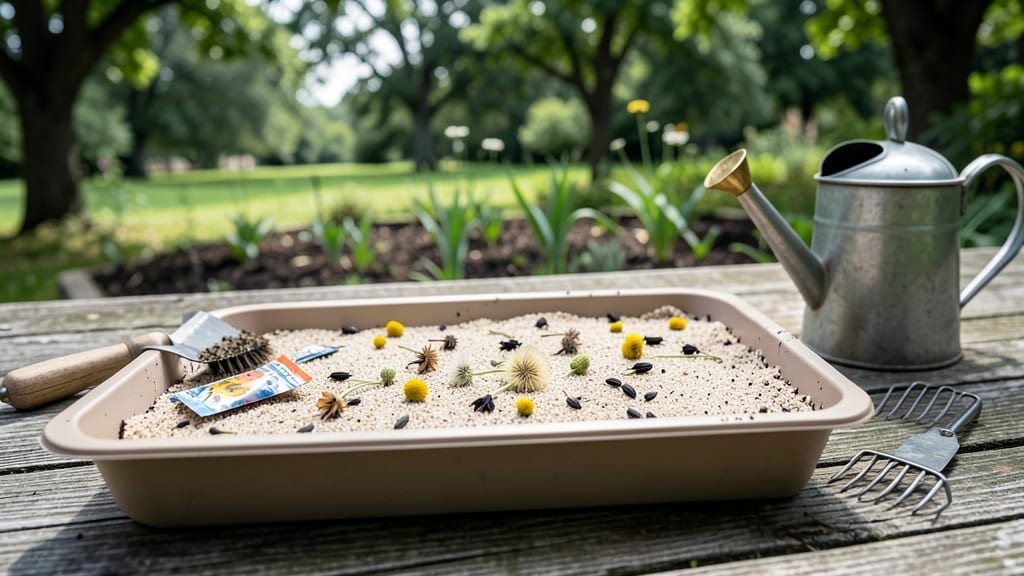
If you’ve ever dreamed of a meadow bursting with 🌼 wildflowers but wondered, "When can I plant wildflower seeds in Ohio?"—the answer isn’t just a single date.
Ohio’s 6a climate (with last frosts around April 15) actually gives you two prime windows to plant, each with its own secrets to success.
Planting too early risks frost damage, while waiting too long lets weeds take over. The key? Timing it right for your region—whether you’re in northern Ohio’s cooler zones or the milder south.
I’ll break down the exact months to scatter seeds, plus how to prep soil and choose the best Ohio-native varieties for your microclimate.
Spring planting (March–April) is ideal for quick summer blooms, but fall (August–September) sets up next year’s show with fewer weeds. Both methods work—but only if you follow the rules. Let’s dive into the perfect planting schedule for your Ohio garden.
You’ll leave here knowing exactly when to sow, how deep to plant, and which wildflowers thrive in your corner of the state—no guesswork, just vibrant blooms from season to season.
Ohio wildflower planting calendar: spring vs fall timing by region
Ohio’s microclimates create distinct planting windows—from the snowy north to the warmer southern regions. The key is aligning your seed sowing with soil temperatures and frost dates.
Spring planting thrives when soil reaches 40°F+, while fall planting benefits from seeds germinating in cool 60-70°F conditions before winter dormancy. Let’s break it down by Ohio’s 5 regions.
Northern Ohio (USDA Zones 5b-6a) has the latest spring frost dates (April 15–May 1) and earliest fall frosts (September 15–October 1). Central Ohio (Zone 6a) averages April 15 for last frost and October 15 for first frost.
Southern Ohio (Zone 7a) enjoys a longer growing season (March 15–November 1), while Appalachian areas may experience earlier frosts due to elevation. Lake Erie regions have moderate delays from lake-effect weather.
🌼
For spring planting, aim to sow seeds 4-6 weeks before your region’s last frost date. In northern Ohio, this means mid-April; in southern Ohio, you can start as early as early March.
Use a seedling heat mat if sowing indoors to jumpstart germination. Fall planting should occur 6-8 weeks before the first frost—typically late August to mid-October—to allow seeds to germinate and establish roots before winter.
Direct sowing is ideal for wildflowers, but you can also transplant plugs in spring. Prepare your soil by removing weeds, loosening compacted areas, and adding a light layer of compost.
Avoid heavy fertilization—wildflowers thrive in low-nutrient soil. Scatter seeds thinly (they’re tiny!) and lightly rake to ensure soil contact. Water gently to settle seeds without displacing them.
Ohio’s native wildflowers like purple coneflower and black-eyed Susan are drought-tolerant once established, but young seedlings need consistent moisture. Mulch lightly with straw to retain moisture and suppress weeds.
In clay-heavy northern soils, amend with sand or compost to improve drainage. Southern Ohio’s sandy soils may require extra watering during dry spells.
Pro tip: Fall-planted seeds often outperform spring sowings because they avoid weed competition and establish deeper roots before summer heat. If you miss the fall window, don’t worry—spring planting still yields beautiful results with proper care.
Just be patient; some wildflowers, like Virginia bluebells, may take 2 years to reach full bloom.
5 Critical factors that determine your Ohio wildflower success (and when to adjust planting)
Ohio’s wildflower success starts long before you scatter seeds—it’s all about soil temperature, rainfall timing, and weed competition. Unlike vegetables, wildflowers thrive when planted at the right moment, not just the right season.
For example, northern Ohio’s clay soil needs extra prep, while southern regions’ drought conditions demand deeper watering. Let’s break down the factors that shift your planting window by weeks, sometimes even months.
First, soil temperature is your secret weapon. Wildflower seeds need soil at 40–60°F to germinate—too cold, and they’ll rot; too hot, and they’ll dry out. In Ohio’s Zone 6a, this means waiting until mid-April for spring planting or aiming for late August to early September for fall.
Use a soil thermometer to check—if it’s below 50°F, wait a week or two. Pro tip: Mulch lightly after planting to stabilize temperatures.
Next, rainfall patterns can make or break your timing. Ohio’s spring rains (March–May) are ideal for germination, but summer droughts (June–July) demand pre-planting soil moisture. If your area gets less than 1 inch of rain weekly, plant in fall instead—seeds will establish roots before winter.
Check the NOAA climate maps for your county to adjust your schedule accordingly.
Weed competition is the silent killer of wildflower dreams. Plant too late, and crabgrass or clover will choke your blooms before they sprout. To outsmart weeds, prepare soil in fall (tilling or solarizing) or use a pre-emergent herbicide like corn gluten meal 2 weeks before seeding.
In Appalachian regions, where weeds grow aggressively, consider transplanting wildflower plugs instead of seeding for faster establishment.
Don’t overlook native species selection. Non-native wildflowers may bloom beautifully but often attract invasive pests or fail to thrive in Ohio’s humid summers. Stick to Ohio natives like purple coneflower, butterfly milkweed, or wild bergamot—they’re drought-tolerant, low-maintenance, and support local pollinators.
For example, butterfly milkweed (for monarchs) needs full sun and well-draining soil, while wild bergamot thrives in partial shade.
Finally, microclimates can shift your planting window by 2–4 weeks. If you’re near Lake Erie, cooler temperatures delay spring planting until late April. In Appalachian regions, shade from trees may require fall planting for better light exposure.
Use a sun map of your yard to identify hotspots and shade areas—this helps you choose the right wildflowers for each spot.
By mastering these 5 critical factors, you’ll turn Ohio’s unpredictable climate into an advantage. Start with soil prep, time your planting with rainfall, and pick the right natives—your meadow will reward you with years of vibrant blooms and buzzing pollinators. 🌼