
Companion Plants
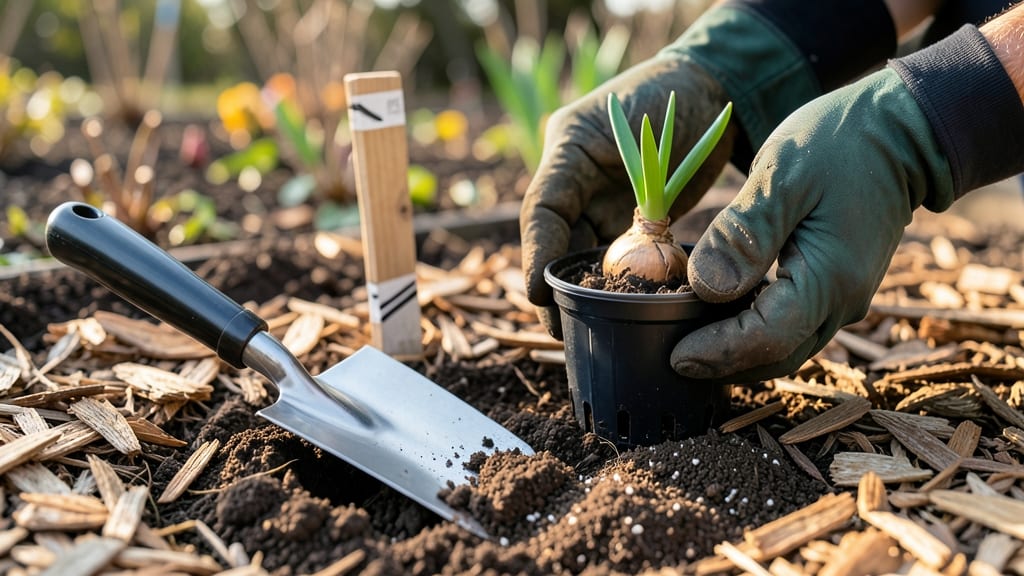
When can I plant these potted tulips in the ground? Timing is everything when it comes to transplanting them—get it wrong, and you might end up with sad, wilted blooms instead of the vibrant display you're dreaming of. The key to success lies in understanding your local frost dates and USDA zone, which can make all the difference between thriving bulbs and disappointment.
If you're in Zone 6a (like many gardeners in the Midwest), your best window is between September and November for fall planting, or March to April in spring. But what if you're in a warmer zone?
The rules shift slightly, and knowing exactly when to move those potted tulips ensures they establish strong roots before winter sets in.
Many gardeners make the mistake of planting too early or too late, which can lead to bulb rot or poor blooming. I’ll walk you through the exact steps to prepare your tulips—from soil prep to spacing—and how to tell when they’re truly ready for their new home in the ground.
Whether you're dealing with spring-blooming varieties or perennial types, this guide will help you avoid common pitfalls and set your tulips up for perfect blooms next season. Let’s get those bulbs in the ground the right way!
Best planting months for potted tulips by USDA hardiness zones
Timing is everything when transplanting potted tulips into the ground. For spring-blooming tulips, the ideal window is 6-8 weeks before your first frost—typically September to November in most U.S. zones.
This gives bulbs time to establish roots before winter dormancy. If you miss this window, don’t panic—spring planting (after the last frost) is also an option, though it may delay blooms.
Your USDA hardiness zone determines the exact timing. For example, gardeners in Zone 3-5 should plant by early October, while those in Zone 8-10 can extend planting until December. The key is ensuring bulbs have 4-6 weeks of root growth before freezing temperatures arrive.
To find your zone, check the USDA Plant Hardiness Zone Map and locate your area. Then, use the average first frost date for your region (available from local weather services) to calculate your planting window.
For instance, if your first frost is November 15, aim to plant by October 1st.
🌷
| USDA Zone | Ideal Planting Month | Key Consideration |
|---|---|---|
| Zones 3-5 | September 15 - October 15 | Early frost risk; plant before soil freezes. |
| Zones 6-7 | October 1 - November 1 | Moderate climate; extend window slightly. |
| Zones 8-10 | November 1 - December 15 | Mild winters; plant later but avoid wet soil. |
| All Zones (Spring) | March 15 - April 30 | After last frost; blooms may be delayed. |
For perennial tulips, fall planting is critical—they need cold exposure to bloom. If you’re unsure about your zone, err on the earlier side. Early planting reduces stress on bulbs and ensures stronger roots before winter.
Even if you plant a few weeks early, the bulbs will simply wait in dormancy until conditions improve.
Pro tip: Use a soil thermometer to monitor ground temperatures. Tulip bulbs prefer soil temps between 40°F and 50°F at planting time. If your soil is too warm (above 60°F), wait a few weeks or plant in a shaded spot until temps drop.
In warmer climates (Zones 9-10), tulips may not survive winter outdoors. In these areas, treat them as annuals and plant in fall for spring blooms, or grow them in pots that can be moved indoors before frost. This strategy works well for tropical tulip varieties like Tulipa greigii.
Always check the specific variety of your tulips, as some (like Darwin Hybrid tulips) are hardier and can handle later planting. For most gardeners, though, sticking to the 6-8 week rule before frost is the safest bet for vibrant, long-lasting blooms next spring.
☀️
How to prepare potted tulips for transplanting to avoid common Mistakes
Transplanting potted tulips too soon or without proper prep can shock their roots and stunt growth. The key is to acclimate bulbs gradually to outdoor conditions and ensure they’ve developed strong roots before moving them.
Most gardeners make the mistake of rushing this process, especially in late summer heat or early fall chills. Let’s fix that!
Start by checking your tulips for green shoots or root growth—these are clear signs they’re ready. If your bulbs are still dormant, wait until 6-8 weeks before your first frost (typically late September to early November in most zones).
For spring planting, aim for 2-4 weeks after your last frost date.
Before digging, harden off your potted tulips by placing them outside in a sheltered spot for 1-2 weeks. Gradually increase their exposure to sunlight and wind to prevent shock. This mimics natural outdoor conditions and helps bulbs adjust smoothly.
❌ Planting too early – Bulbs may rot in warm soil.
❌ Skipping soil prep – Poor drainage leads to bulb rot.
❌ Overcrowding – Tulips need 4-6 inches of space to thrive.
Next, prepare your garden bed by loosening the soil to a depth of 12 inches to improve drainage. Tulips hate soggy soil, so amend with compost or sand if your soil is heavy clay.
Dig holes 6-8 inches deep and space them 4-6 inches apart for dwarf varieties or 8-12 inches apart for standard-sized tulips.
When transplanting, handle bulbs gently to avoid damaging roots. Place them in the hole with the pointy end up and cover with soil, leaving the top 1/3 of the bulb exposed for cold-hardy varieties. Water deeply to settle the soil and encourage root growth.
After planting, mulch with 2-3 inches of organic mulch (like straw or shredded leaves) to insulate bulbs from temperature swings. This step is critical for Zone 3-7 gardeners facing harsh winters. Mulch also suppresses weeds and retains moisture—perfect for keeping your tulips happy until spring.