
Companion Plants
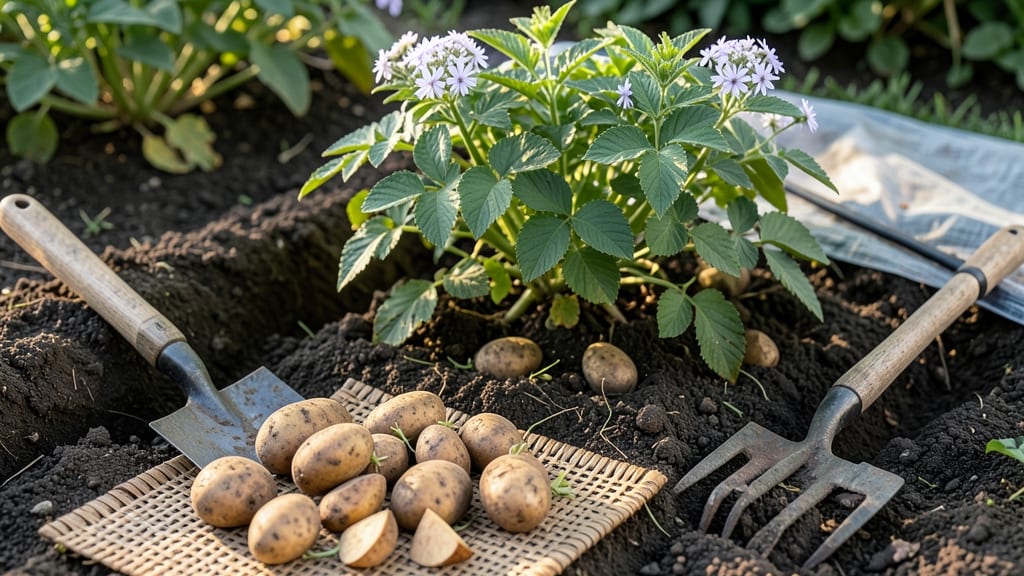
Planting potatoes in Zone 6b at the wrong time can mean the difference between a bumper harvest and wasted effort. The key isn't just waiting for spring—it's understanding when your soil warms enough to trigger those fast, vigorous sprouts you crave.
Too early, and your potatoes will rot; too late, and you'll miss the sweet spot for maximum yield.
For gardeners in Zone 6b, the ideal window opens 2-4 weeks before your last frost date, but there's more to it than just checking the calendar. Soil temperature plays a starring role—waiting until it hits 45°F ensures your seed potatoes won't sit in cold, damp earth and develop disease.
This timing also lets you take advantage of early varieties that mature in just 70-90 days, giving you multiple harvest opportunities.
I'll show you exactly how to time your planting for explosive growth, including when to start chitting your potatoes indoors and how to use row covers for an earlier start.
We'll also cover the common mistakes that leave gardeners scratching their heads come harvest time—like planting too early or ignoring soil prep—and how to avoid them.
Whether you're a first-time grower or a seasoned pro looking to maximize your yield, these strategies will help you get your potatoes in the ground at the perfect moment. Let's dive into the soil temperature rules and planting windows that make all the difference in Zone 6b.
Zone 6B potato planting timeline: soil temperature rules for fast sprouting
Planting potatoes in Zone 6B hinges on two critical factors: soil temperature and last frost dates. Unlike many vegetables, potatoes thrive best when soil reaches 45°F–50°F—any cooler, and growth stalls.
In my experience, rushing the process often leads to slow sprouting or even rot, especially when cold, wet springs delay warming.
For Zone 6B, your last average frost date typically falls around April 15, but soil warms more slowly than air. That’s why I recommend planting 2–4 weeks before your last frost—usually between late March and mid-April.
Early varieties like ‘Yukon Gold’ can handle cooler soils, while ‘Russet’ potatoes prefer the warmer end of that range.
Here’s the secret most gardeners miss: soil temperature matters more than calendar dates. Use a soil thermometer to check depths of 4–6 inches (where potatoes will sit). If it’s below 45°F, wait—even if your local forecast says it’s safe. Cold soil = stalled growth.
| Stage | Soil Temp Requirement | Zone 6B Window | Action |
|---|---|---|---|
| Pre-Chitting | Indoors (60–65°F) | Late February–March | Sprout seed potatoes in light |
| First Planting | 45–50°F (4–6" depth) | Late March–April 1 | Plant early varieties |
| Second Planting | 50–55°F (4–6" depth) | April 15–May 1 | Plant mid-late varieties |
| Harvest Ready | N/A (foliage dies) | July–September | Dig when tops yellow |
If you’re eager to extend your harvest, consider a second planting of mid-season varieties like ‘Kennebec’ around April 15–May 1. These need slightly warmer soil (50–55°F) and will mature just in time for late-summer harvests.
I’ve had great success with this method—it’s how I get potatoes from July through September!
Pro tip: Use row covers or black plastic mulch to warm soil faster. In my garden, this shaves off 1–2 weeks from the waiting game. Just remove covers once sprouts emerge to avoid overheating.
Watch for false springs—those warm spells in March that trick you into planting early. If nighttime temps dip below 32°F, your potatoes are at risk. I’ve lost entire batches to frost damage, so I now wait until the average low consistently stays above 40°F.
For container growing, the rules are similar, but your soil warms faster in pots. Plant 1–2 weeks earlier than in-ground, but monitor soil temps closely—containers can also cool down rapidly at night.
Remember: Potatoes hate heat stress too. If your Zone 6B summer hits 90°F+, the tubers can turn green and bitter. That’s why I prioritize early-maturing varieties and harvest before July’s peak heat arrives.
How to extend your potato harvest in Zone 6B: successive planting strategies
In Zone 6B, you can stretch your potato harvest from early summer to fall by planting multiple batches. The key is spacing out plantings every 2-3 weeks to ensure each batch matures at different times.
This method works best with a mix of early, mid, and late-maturing varieties to maximize yield and variety.
Start your first planting 2-4 weeks before your last frost date (around mid-March in Zone 6B). Then, add successive batches every 2-3 weeks until early June. This staggered approach ensures you’ll have fresh potatoes ready for 70-120 days after each planting, covering the entire growing season.
For best results, choose varieties that mature at different rates. Early varieties like 'Yukon Gold' or 'Red Norland' (70-90 days) can go in first, followed by mid-season types like 'Kennebec' (90-110 days), and finally late varieties like 'Russet Burbank' (110-120 days) for a fall harvest.
When planting successive batches, maintain proper seed spacing to avoid overcrowding. Plant each batch in a separate row or block to make harvesting easier. Use row covers for early plantings to protect against late frosts and extend the growing season.
With this strategy, you’ll enjoy a continuous supply of fresh potatoes from late June through October, making the most of your Zone 6B growing season! 🥔