
How To
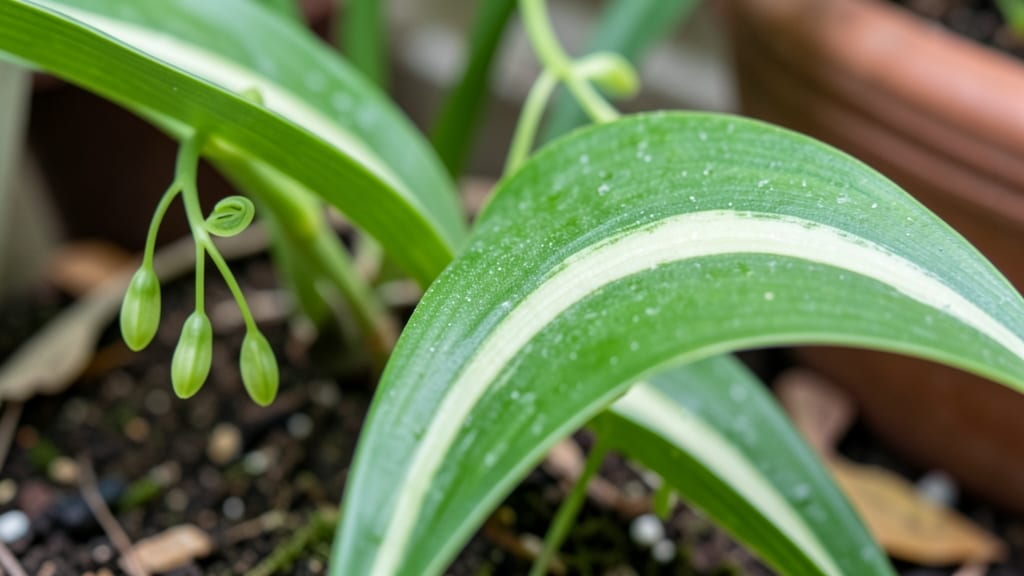
If your spider plant needs how much light to thrive, you might be getting it wrong—and the fix is simpler than you’d expect.
These hardy plants flourish in conditions most homes naturally provide, but too much direct sun or too little brightness can turn your lush green friend into a sad, leggy shadow of itself.
The key to happy spider plant growth lies in bright indirect light, which mimics their natural understory habitat. Unlike sun-loving succulents, these plants despise harsh afternoon rays but still need enough light to produce those signature striped leaves.
I’ll show you exactly where to place yours—whether you’re working with a dim office corner or a south-facing window—so you can keep it thriving year-round.
Don’t worry if your space feels tricky—even low-light rooms can work with the right adjustments. We’ll cover how to spot signs of light stress (like brown tips or slow growth) and what to do when seasons change the amount of sunlight streaming in.
With these simple rules, your spider plant will reward you with vibrant foliage and those adorable "spiderettes" in no time.
Ready to transform your plant’s future? Let’s dive into the exact light conditions your spider plant craves—and how to give it just the right amount, without the guesswork.

Spider plant light requirements: ideal sunlight levels for healthy growth
Your spider plant thrives best in bright indirect light, mimicking its natural understory habitat. Too much direct sun causes brown leaf tips, while too little light leads to leggy, weak growth. The ideal spot balances photosynthesis efficiency with protection from harsh rays.
Think of your spider plant’s light needs like a goldilocks zone—not too dim, not too bright. East-facing windows provide perfect morning sunlight, while north-facing windows offer gentle, consistent light. Avoid south or west windows unless filtered through sheer curtains.
Here’s how to spot the perfect light conditions: healthy leaves should be deep green with vibrant stripes. If your plant’s leaves turn yellow or brown, it’s a red flag for light stress. Slow growth or stretched-out foliage signals it needs more brightness.
Scientifically, spider plants optimize chlorophyll production in moderate light (around 1,000-2,000 foot-candles). This range prevents oxidative damage from UV rays while ensuring enough energy for growth. Artificial lights like LED grow bulbs can supplement if natural light is lacking.
Seasonal changes also affect light exposure. In summer, move your plant 2-3 feet from the window to avoid sunburn. During winter, supplement with a grow light if days grow short. Rotate your plant quarter-turns weekly to ensure even growth.
| Light Condition | Ideal Characteristics | Plant Response |
|---|---|---|
| Bright Indirect Light | East/north window, 2-3 ft away; 4-6 hours daily | Vibrant green leaves, compact growth |
| Low Light | North window or shaded room; <2 hours direct light | Leggy stems, pale leaves, slow growth |
| Direct Sunlight | South/west window, unfiltered; >6 hours | Brown tips, crispy edges, sunburn |
| Artificial Light | LED grow bulb, 12-14 hours/day | Healthy growth if spectrum matches natural light |
To test your plant’s light conditions, use the shadow test: hold a piece of paper near the plant. If the shadow is sharp and dark, the light is too harsh.
A soft, diffused shadow means you’ve found the sweet spot. Adjust placement until you see consistent, even growth.
Remember, spider plants are forgiving but not indestructible. If you notice brown patches, trim them immediately and move the plant to a shadier spot.
For leggy growth, introduce a grow light or relocate to a brighter area. Small adjustments can make a world of difference in your plant’s health.
Pro tip: Group your spider plant with other low-light plants like pothos or snake plants. They’ll all thrive together in the same moderate-light zone, creating a lush, cohesive display. This also helps you monitor light conditions more easily.
With the right light, your spider plant will reward you with lush foliage and those iconic spiderettes—baby plants that dangle like tiny green jewels. Start with these guidelines, observe your plant’s response, and fine-tune as needed. Your spider plant’s happiness depends on it! 🌿
How to adjust light for spider plants in different rooms
Finding the perfect spot for your spider plant depends on your home’s lighting. Natural light varies dramatically from room to room, and even artificial lighting can make a difference. Let’s break down how to optimize light for different scenarios—whether your plant lives near a north-facing window, under harsh south-facing sun, or far from natural light entirely.Most homes struggle with uneven light distribution, especially in offices or basements. Spider plants are adaptable, but they’ll thrive best with bright indirect light for 4-6 hours daily. If your space lacks natural light, we’ll cover LED grow lights and seasonal adjustments to keep your plant happy year-round.
🌿
| Light Source | Best For | Effectiveness | Adjustments Needed |
|---|---|---|---|
| North-Facing Window | Bright indirect light | ⭐⭐⭐⭐☆ (9/10) | Place 2-3 feet away to avoid cool drafts. |
| South-Facing Window | Direct morning sun | ⭐⭐⭐☆☆ (7/10) | Use a sheer curtain to filter harsh afternoon rays. |
| East-Facing Window | Morning sunlight | ⭐⭐⭐⭐☆ (8/10) | Ideal spot—no adjustments needed! |
| West-Facing Window | Afternoon sun | ⭐⭐☆☆☆ (4/10) | Move 5+ feet away or use a light-blocking screen. |
| Artificial LED Grow Light | Low-light rooms | ⭐⭐⭐⭐☆ (9/10) | Place 6-12 inches above plant for 12-14 hours/day. |
If your spider plant is near a north-facing window, you’re in luck—this is the ideal spot! The light is soft and consistent, mimicking its natural under-canopy habitat. Place it 2-3 feet from the glass to avoid cool drafts that can stress the plant.
Rotate the pot every few weeks to ensure even growth, as plants naturally lean toward light sources.
For south-facing windows, direct sunlight can scorch leaves, especially in summer. If your plant is getting too much heat, move it 5 feet back or use a sheer curtain to diffuse the light. Watch for brown crispy edges—a classic sign of sunburn—and adjust immediately.
🪴
In rooms with low natural light, like bathrooms or basements, turn to LED grow lights. These are energy-efficient and mimic sunlight perfectly. Position the light 6-12 inches above the plant and keep it on for 12-14 hours daily.
Avoid cheap bulbs—opt for full-spectrum LEDs designed for houseplants to prevent stretchy, weak growth (a condition called etiolation).
Seasonal changes also affect light exposure. In winter, shorter days mean less natural light, so supplement with a grow light or move your plant to a brighter room.
Conversely, in summer, longer days can overwhelm your spider plant. If you notice yellowing leaves or drooping, it’s time to filter the light or relocate the plant.
Pro tip: If your spider plant starts developing long, thin stems with sparse foliage, it’s begging for more light. This is a clear sign of light deficiency, and adjusting its position—or adding a grow light—can revive its growth in just a few weeks.