
How To
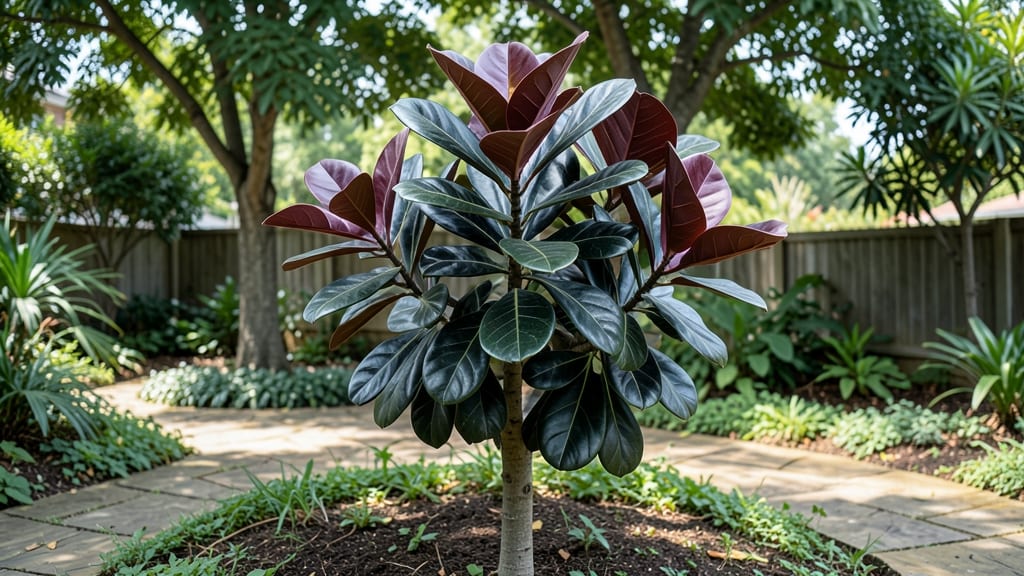
Wondering how tall rubber plant grow in your home? The answer might surprise you—these bold, glossy-leaved beauties 🌿 can stretch from 3 feet to towering 10 feet or more, depending on care and variety.
If you're imagining a small shelf plant, think again—some rubber plants grow like indoor trees, while others stay compact with the right pruning. The key lies in understanding their natural growth patterns and how light, water, and pot size influence their height over time.
In this guide, I’ll break down exactly what to expect from different rubber plant varieties, plus pro tips to control their size—whether you want a bushy statement piece or a manageable tabletop plant.
Ready to transform your space with a rubber plant that fits your vision? Let’s dive into the secrets of their growth habits and how to nurture them to perfection.

Rubber plant height by variety: from floor-fillers to tabletop treasures
Rubber plants (Ficus elastica) are famous for their dramatic foliage, but their height potential varies dramatically by variety. Some stay compact enough for shelves, while others grow into 10-foot indoor trees. Understanding these differences helps you choose the perfect plant for your space and care goals.
Your rubber plant’s eventual height depends on three key factors: its genetic variety, care conditions, and pruning habits. For example, the ‘Tineke’ variety stays under 3 feet, while ‘Black Prince’ can reach ceiling heights. Let’s explore the most popular cultivars and their mature sizes.
⚠️ NON-NEGOTIABLE: Always check your plant’s tag or ask your nursery for the exact cultivar—many "rubber plants" sold are actually hybrids with unpredictable growth habits.
| Variety | Mature Height | Growth Rate | Best For |
|---|---|---|---|
| ‘Tineke’ | 2–3 ft | Slow to moderate | Shelves, desks |
| ‘Black Prince’ | 6–10+ ft | Fast | Large rooms, statement plants |
| ‘Robusta’ | 4–8 ft | Moderate | Corners, mid-sized spaces |
| ‘Burgundy’ | 5–9 ft | Moderate | Dramatic foliage displays |
| ‘White Knight’ | 3–6 ft | Slow | Low-light areas |
| ‘Variegata’ | 4–7 ft | Moderate | Sunny windowsills |
| ‘Mickie’ | 2–4 ft | Slow | Beginners, small spaces |
| ‘White Princess’ | 5–8 ft | Fast | Bright, indirect light |
If you’re wondering how your rubber plant’s height compares to other houseplants, think of it this way: a mature ‘Robusta’ rivals a small palm, while a ‘Tineke’ stays about the height of a standard laptop stand.
The key to controlling height lies in understanding each variety’s growth habits and adjusting care accordingly.
For example, ‘Black Prince’ thrives in low light but grows 3x faster when given bright indirect light. If you want to keep it compact, place it in a north-facing window. Conversely, ‘Variegata’ needs more light to maintain its striking patterns, which can encourage taller growth if not managed.
Light isn’t the only factor—pot size plays a huge role. Rubber plants grow faster in larger pots because they have more room to develop roots. If you’re aiming for a 3-foot tabletop plant, use a 6-inch pot.
For a 10-foot ceiling climber, opt for 12+ inches and deep soil for stability.
Pro tip: Check the stem thickness of your rubber plant’s variety. Thicker stems (like ‘Robusta’) support taller growth, while slender stems (like ‘Mickie’) stay shorter. This is why ‘Black Prince’ can reach 10 feet indoors—its
How to control rubber plant height: pruning, training & light secrets
Want to keep your rubber plant from becoming a 10-foot jungle monster? The secret lies in pruning techniques and light management. Unlike many houseplants, rubber plants respond well to strategic cuts—think of it as sculpting your indoor jungle.
For example, pinching back the tips of young plants encourages bushier growth instead of a single towering stem.
If your rubber plant is already leggy, don’t panic. Pruning 2-3 inches above a leaf node (where leaves grow) stimulates new branches. I’ve seen ‘Black Prince’ varieties go from scraggly to lush in just 3 months with this method. Just use clean, sharp scissors to avoid tearing the stems.
Light plays a crucial role in height control. Rubber plants grown in low light stretch toward any available light source, creating those unsightly leggy stems. To prevent this, rotate your plant quarter-turns every 2 weeks so all sides get even exposure.
If you’re dealing with a ‘Tineke’ variety, its variegated leaves need even more light to prevent height spikes.
For vertical control, consider staking or trellising. Wrap young stems gently with soft plant ties around a bamboo stake or moss pole. This trains the plant to grow upward while keeping it stable.
I’ve used this method with ‘Burgundy’ rubber plants to create dramatic, tree-like specimens without sacrificing foliage density.
Pro tip: If you love the idea of a miniature rubber plant, grow it in a smaller pot (like a 6-inch container). Root-bound conditions naturally slow height growth by redirecting energy to leaf production. Just be sure to repot every 2-3 years to prevent soil depletion.
Remember, rubber plants are forgiving. Even if you make a pruning mistake, they’ll bounce back with proper care. The key is consistency—prune in spring, adjust light exposure, and monitor growth monthly.
Before you know it, you’ll have a rubber plant that’s the perfect height for your space, whether that’s a shelf-sized statement or a ceiling-grazing giant. 🌿