
Plants
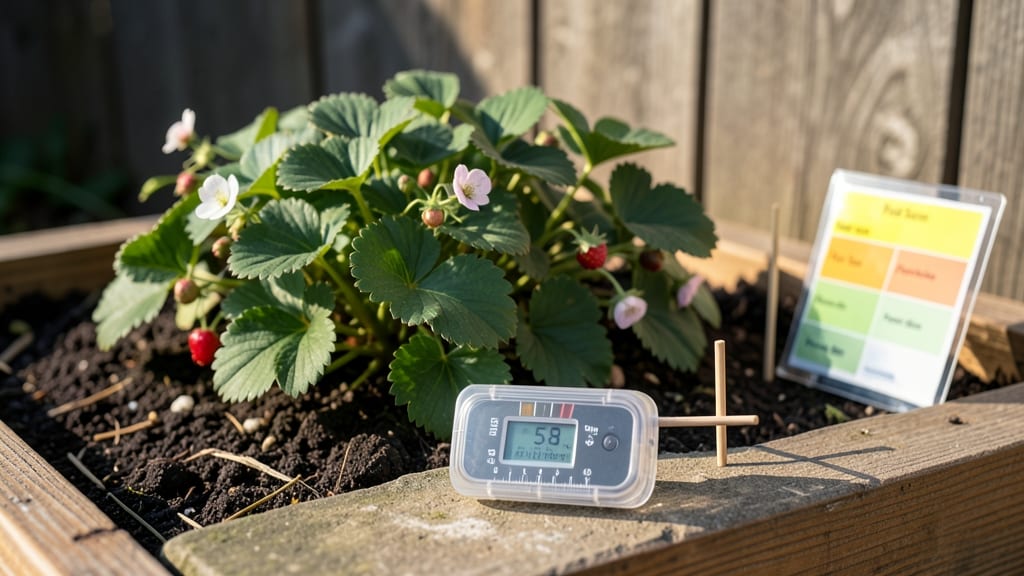
If you’ve ever wondered how much light does a strawberry plant need only to end up with tiny, bland berries instead of juicy, sweet ones, you’re not alone. The secret to plump, flavorful strawberries isn’t just good soil or water—it’s getting their light needs exactly right.
Strawberries thrive in bright sunlight, but too little or too much can sabotage your harvest before it even starts.
Most gardeners assume strawberries need "full sun," but the ideal sunlight hours depend on your climate and growing setup. In USDA Zone 6a, where spring planting kicks off in March, strawberries crave at least 6 hours of direct light daily—but for maximum sweetness, aim for 8+ hours.
That’s the difference between a handful of tart berries and a bounty of dessert-worthy fruit.
Here’s the kicker: strawberries grown in containers or shady spots often produce smaller fruit because they can’t photosynthesize enough. But don’t worry—whether you’re dealing with a small balcony garden or a sunny backyard, I’ll show you how to tweak light exposure for the best results.
You’ll learn how to spot light deficiencies early, adjust for seasonal changes, and even boost yield with simple tricks.
Ready to turn your strawberry patch into a sweet, sun-soaked success? Let’s dive into the exact lighting strategies that’ll have you harvesting berries so big and flavorful, your neighbors will ask for tips. (And trust me, you’ll want to share.)


Optimal sunlight hours for strawberry plants: the science behind fruit size and sweetness
Strawberry plants thrive when they receive the right amount of sunlight, but many gardeners struggle to balance fruit production with berry sweetness. While most varieties need 6-10 hours of direct sunlight daily, the quality and intensity of that light directly impact your harvest.
Without enough sunlight, your plants will produce small, tart berries with less sugar, while too much scorching heat can stress the plants and reduce yield.
Understanding the science behind sunlight helps explain why strawberries grown in full sun taste sweeter and grow larger. Sunlight triggers photosynthesis, which fuels the plant’s energy to produce flowers and fruit.
During the spring and summer months, when days are longer, strawberries can handle up to 10 hours of sun, but in winter or early spring, they may only get 4-6 hours of weak sunlight. Adjusting your care based on seasonal light changes is key to consistent yields.
For example, June-bearing strawberries (like 'Jewel' or 'Chandler') need full sun exposure during their fruiting season to maximize berry size. Meanwhile, everbearing varieties (such as 'Albion' or 'Seascape') can tolerate slightly less light but still perform best with at least 6 hours of direct sun.
The difference in light needs comes down to their genetic makeup and how efficiently they convert sunlight into energy for fruit production.
Light intensity also plays a role. Strawberries grown in bright, direct sunlight develop deeper flavors and higher sugar content because the plant produces more anthocyanins (the compounds responsible for red color and sweetness). In contrast, plants in partial shade may produce fewer berries that taste milder. If you’re growing strawberries in containers or urban spaces, prioritize locations with the most sunlight, even if it means rotating pots throughout the day to ensure even exposure.
| Variety Type | Minimum Sunlight Hours | Ideal Sunlight Hours | Seasonal Adjustments |
|---|---|---|---|
| June-Bearing | 6 hours | 8-10 hours | Maximize sun in spring/summer; reduce shade in winter |
| Everbearing | 5-6 hours | 6-8 hours | Tolerates partial shade but yields best in full sun |
| Day-Neutral | 4-5 hours | 6-8 hours | Adapts to varying light but thrives in consistent sun |
If you’re growing strawberries in shadier climates, choose day-neutral varieties like 'Seascape' or 'Ostara,' which produce fruit throughout the season with less sunlight. These varieties are more forgiving and can handle 4-6 hours of sun, making them ideal for woodland gardens or north-facing patios.
However, even shade-tolerant strawberries will yield better and taste sweeter with more sunlight, so supplement with grow lights or reflective surfaces if needed.
Another critical factor is light quality. Strawberries benefit from blue and red light spectrums, which are abundant in natural sunlight. If you’re using artificial grow lights, opt for full-spectrum LEDs that mimic sunlight.
Place lights 6-12 inches above the plants and keep them on for 12-16 hours daily during winter or overcast periods. This mimics the longer daylight hours of summer and encourages robust growth and fruiting.
Seasonal light changes can throw off your strawberry plants if you’re not prepared. For example, in winter or early spring, days are shorter, and sunlight is weaker.
If your plants are already established, they may enter a dormant phase with less light, but if you’re planting new beds, use row covers or cold frames to extend the growing season.
These tools trap heat and light, giving your plants the extra boost they need to thrive even in cooler months.
To test whether your strawberries are getting enough light, observe their leaf color and growth habit. Healthy strawberry leaves are a deep green and upright. If leaves turn yellow or pale, it’s a sign of light deficiency.
On the other hand, scorched or curled leaves indicate too much direct sun, especially during hot afternoons. Adjust your plants by moving them to a slightly shadier spot or providing afternoon shade with a lightweight shade cloth (30-50% shade).
Finally, remember that container-grown strawberries have different light needs than in-ground plants. Since pots heat up faster and dry out quicker, they often need more frequent watering and careful light management. Place containers in the sunniest spot available and rotate them every few days to ensure even light exposure.
If your balcony or patio only gets morning sun, consider using a south-facing window or a reflective surface (like a white wall) to bounce extra light onto the plants.
By fine-tuning your strawberry plants’ light exposure, you’ll see a noticeable improvement in berry size, sweetness, and yield. Whether you’re a seasoned gardener or a beginner, paying attention to sunlight is the first step toward a bountiful harvest.
Start with the right variety for your light conditions, and don’t hesitate to experiment with supplemental lighting or shade solutions to optimize growth. 🌱☀️🍓
Optimal sunlight hours for strawberry plants: the science behind fruit size and sweetness
Strawberries thrive in full sun, but the exact amount needed depends on your climate and growing conditions. In most regions, 6-10 hours of direct sunlight daily produces the largest, sweetest berries.
This range ensures proper photosynthesis, which directly impacts sugar development and fruit size. Without enough light, your plants will struggle to produce energy, leading to smaller, less flavorful berries.
For the best results, aim for 8+ hours of sunlight during peak growing months (spring to early fall). This extra light boosts photosynthesis, helping plants develop more runners and larger fruit clusters.
In cooler climates or high-altitude areas, strawberries may tolerate 6 hours of sun, but yields will be lower. Always prioritize morning sun, as it reduces moisture on leaves and lowers disease risk.
| Light Requirement | Ideal Hours | Fruit Quality | Growth Impact |
|---|---|---|---|
| Full Sun | 8-10 hours | Large, sweet berries | Optimal runners, strong vines |
| Partial Sun | 6-8 hours | Smaller, tart berries | Slower growth, fewer runners |
| Low Light | <4 hours | Poor yield, bland flavor | Leggy growth, weak stems |
🌱 Pro Tip: Use a sunlight meter or observe your garden's light patterns for 24 hours to determine exact exposure.
Seasonal light changes affect strawberries too. In winter, shorter daylight hours force plants into dormancy, while summer's long days encourage rapid growth. If you're growing strawberries in containers or greenhouses, rotate them weekly to ensure even light exposure.
This prevents one side from becoming overly shaded or leggy. South-facing windows or raised beds get the most consistent light, making them ideal for urban growers.
Did you know? Strawberries grown in full sun can produce 3x more fruit than those in partial shade. The extra light energy translates directly to larger, more flavorful berries. For example, 'Chandler' and 'Seascape' varieties thrive with 10+ hours of sun, while 'Albion' does well with 6-8 hours.
Always match your variety to your garden's light conditions for best results.
Adjusting for shade? If your strawberries receive less than 6 hours of sun, supplement with a grow light for 4-6 hours daily. LED grow lights are energy-efficient and mimic natural sunlight.
Place them 6-12 inches above the plants and use a timer for consistency. This mimics the extra sunlight strawberries crave, especially in early spring or late fall when days are shorter.
Monitor your strawberries' leaves for color changes—deep green indicates healthy photosynthesis, while yellowing or purpling signals light stress. Pair full sun with well-draining soil and regular watering to maximize your harvest. With the right light, your strawberry plants will reward you with juicy, sweet berries all season long.