
Plants
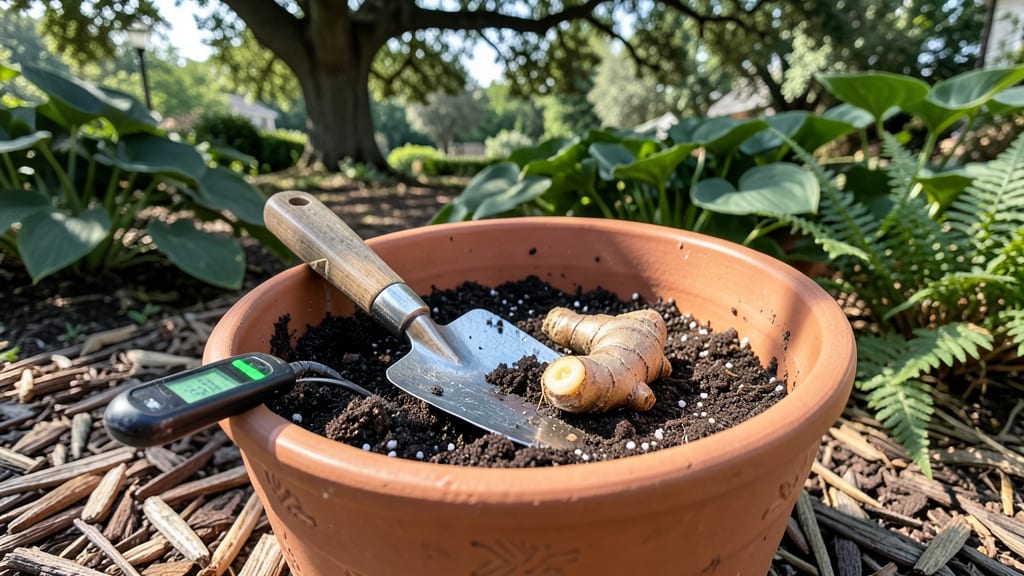
Knowing when to plant ginger in Zone 8 can mean the difference between a bountiful harvest and wasted effort. This tropical root thrives on warmth, so timing isn't just about months—it's about soil temperature and avoiding early frost.
If you've ever struggled with ginger plants that never quite took off, the solution might be as simple as planting at the right moment.
Ginger 🌿 loves the spring warmth of Zone 8, but rushing it too early can leave your rhizomes vulnerable. The ideal window opens in March or April, when soil temperatures consistently stay above 60°F.
This ensures your ginger gets the heat it craves without running into late frosts that could stunt its growth.
What makes this even more interesting is that ginger actually has two planting opportunities in Zone 8—spring and fall. While spring planting gives you a full growing season, fall planting (September-October) can produce smaller but still usable harvests.
The key is understanding your microclimate and how it affects those 240 frost-free days we enjoy here.
Once you've got the timing down, the next step is preparing your soil and rhizomes for success. I'll walk you through everything from soil prep to post-planting care, so you can grow ginger that's not just alive, but thriving. Let's get those roots growing!
Optimal planting windows for ginger in Zone 8: heat-dependent timeline
Ginger thrives in Zone 8’s warm springs and falls, but planting too early risks late frosts, while waiting too long cuts your harvest short. The ideal window hinges on soil temperatures and frost-free days, not just calendar months.
For most of Zone 8, March through April delivers the perfect balance of warmth and moisture ginger craves.
Ginger rhizomes need consistent soil temps above 60°F (15°C) to sprout reliably. In northern Zone 8 (like Atlanta or Dallas), aim for mid-March when nighttime lows stabilize above 45°F (7°C).
In southern Zone 8 (Houston, San Antonio), you can plant as early as late February—just monitor frost forecasts to avoid surprises.
Here’s the heat-dependent timeline that separates successful harvests from wasted effort:
| Planting Window | Soil Temp Threshold | Frost Risk | Best For |
|---|---|---|---|
| Late February–Early March | 55–60°F (13–15°C) | High (Southern Zone 8 only) | Early harvests (smaller rhizomes) |
| Mid-March–Mid-April | 60–65°F (15–18°C) | Low (ideal for most) | Best yield (mature rhizomes) |
| Late April–Early May | 65–70°F (18–21°C) | None | Late-season harvests (smaller roots) |
| September–October | 60–65°F (15–18°C) | Low (fall frost risk) | Overwintering (harvest next spring) |
April is the goldilocks month for most Zone 8 gardeners—soil is warm enough to sprout ginger but not so hot that it stresses young plants. If you miss this window, fall planting (September–October) is your next best bet, letting ginger establish roots before winter dormancy. Just be prepared to harvest rhizomes in spring rather than fall.
Ginger’s tropical roots demand consistent warmth, so avoid planting when daytime temps exceed 85°F (29°C). In southern Zone 8, this means skipping May–July unless you’re using shade cloth or container growing to regulate heat.
For northern Zone 8, late April is your cutoff—after that, the heat becomes too intense.
Microclimates matter: Urban areas with pavement retain heat longer, while rural spots may cool faster. Test your soil’s warmth retention by checking when dandelions (a heat-loving weed) sprout—ginger prefers 2–3 weeks after those yellow blooms appear. This natural cue aligns with 60°F+ soil temps.
Timing isn’t just about months—it’s about heat accumulation. Ginger needs at least 120 days of temperatures above 60°F (15°C) to mature. Use a growing degree day calculator (like the one from the [University of Georgia Extension](https://extension.uga.edu)) to pinpoint your exact window based on local weather data.
For container growers, you can push boundaries by planting 1–2 weeks earlier—pots warm up faster than garden beds. Just ensure your containers have drainage holes and use black fabric wrapped around the sides to absorb and retain heat.
This trick adds 5–7 extra warm days to your planting window.
Remember: Ginger is a long-game crop. Rhizomes planted in March won’t harvest until next fall (10–12 months later), while September plantings yield in spring. Plan ahead to avoid disappointment—mark your calendar now for your Zone 8 ginger timeline!
Optimal planting windows for ginger in Zone 8: heat-dependent timeline
Ginger 🌿 is a tropical plant at heart, so in Zone 8, we need to time its planting with precision. The ideal window spans March through April, when soil temperatures consistently stay above 60°F.
This ensures your rhizomes wake up from dormancy and start growing without risking frost damage. In my garden, I’ve found that planting in early April gives ginger just enough time to establish roots before summer’s intense heat arrives.
But here’s the catch: soil temperature matters more than calendar dates. A late March frost can still linger in some Zone 8 microclimates, especially in higher elevations or shaded areas.
Use a soil thermometer to confirm temperatures are stable at 65-70°F before planting. This small tool has saved me from multiple failed ginger batches by helping me avoid premature planting.
If you’re eager to experiment, fall planting (September-October) is a viable second chance. While spring-planted ginger has a full growing season, fall rhizomes mature faster in Zone 8’s mild winters. Just be prepared for smaller harvests—think of it as a bonus crop rather than a primary yield.
My neighbor in San Antonio swears by this method, claiming her fall-planted ginger is just as flavorful, if not more so.
| Planting Window | Soil Temp Requirement | Frost Risk | Harvest Potential |
|---|---|---|---|
| Early March | Below 60°F | High | Low (risk of frost damage) |
| Mid-March to April | 60-70°F | Moderate | High (optimal for large rhizomes) |
| May | Above 70°F | None | Medium (smaller harvests due to heat stress) |
| September-October | 65-75°F | Low | Medium (fast-maturing rhizomes) |
For those in Zone 8a (cooler microclimates), aim for late March to early April to avoid late frosts. In Zone 8b, you can push planting to early May, but be prepared for smaller yields if summer heat arrives early.
I once tried planting in May in my Dallas garden, and while the ginger survived, the rhizomes were half the size of my April-planted batch.
Pro tip: If you’re unsure about your microclimate, stagger your planting by 2-3 weeks. Plant a few rhizomes in March, another batch in April, and one last set in September.
This way, you’ll have a continuous harvest window and can adjust based on weather surprises. It’s a strategy I’ve used for years, and it’s given me the most consistent results.
Remember, ginger is a long-term investment—it takes 10-12 months to mature. Planting at the right time ensures you’re not rushing a harvest or dealing with stunted growth. With the right timing and a little patience, you’ll be digging up plump, flavorful ginger rhizomes in no time. 🌱