
Vegetables
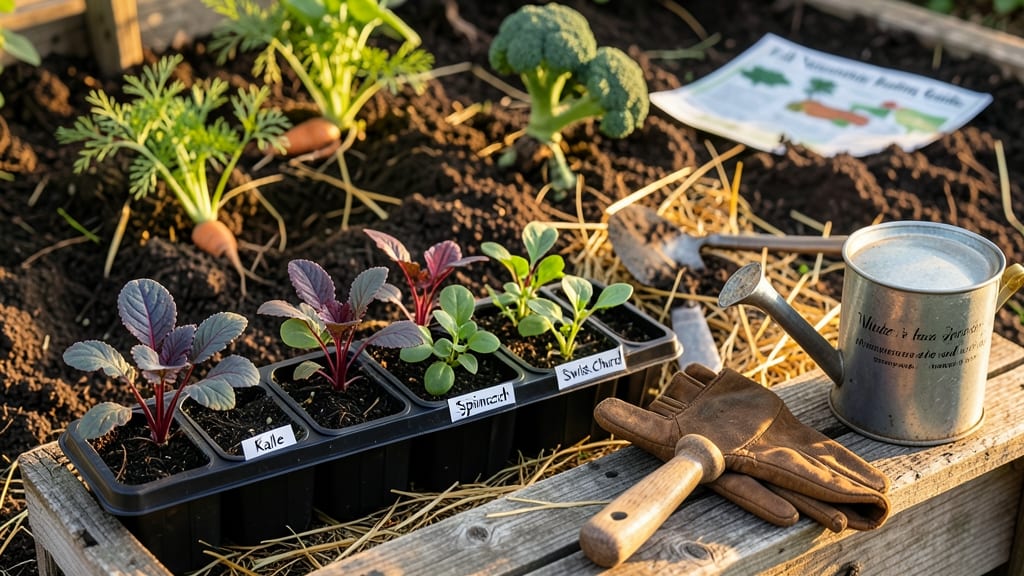
Planting fall vegetables in Ohio isn’t just about timing—it’s about beating the clock before frost turns your garden into a science experiment. With Ohio’s USDA Zone 6a climate, you’ve got just 4-6 weeks before the first frost (usually around October 20) to get your 🥬 crops in the ground and ready for harvest by November.
Miss that window, and you’ll be left with sad, stunted plants—or worse, a garden full of frost-kissed disappointment. But nail it, and you’ll enjoy crisp kale, sweet carrots, and tender broccoli straight from your backyard.
The key? Knowing exactly when to plant each variety, from heat-loving tomatoes to cold-hardy spinach, so you can maximize your harvest before winter sets in.
I’ve dug into Ohio’s frost dates, soil conditions, and the best varieties for our short growing season to give you a foolproof planting schedule.
Whether you’re a seasoned gardener or just starting out, this guide will help you avoid common mistakes—like planting too late or choosing crops that won’t survive our chilly falls.
Ready to turn your Ohio garden into a fall harvest goldmine? Let’s break down the exact deadlines, top crops, and pro tips to keep your vegetables thriving until the first hard frost. Your taste buds (and your dinner plate) will thank you.
Ohio fall vegetable planting deadlines by USDA Zone 5-6 variety
Ohio’s USDA Zones 5-6 mean your fall planting window is tight—typically August through early September. Missing these deadlines risks crops bolting or freezing before harvest. Here’s your variety-specific schedule based on Ohio’s average first frost date (October 20), with adjustments for early vs. late zones.
For fast-maturing varieties (45-50 days), like radishes or bush beans, you can push planting until mid-September. But cool-season crops (60+ days), such as broccoli or cabbage, need to be in the ground by late August to reach maturity before frost.
Use Ohio State University Extension’s frost-free calculator to fine-tune dates for your exact location.
🌱
| Vegetable | Last Planting Date (Zone 5) | Last Planting Date (Zone 6) | Days to Maturity | Notes |
|---|---|---|---|---|
| Bush Beans | August 15 | August 25 | 50-60 days | Heat-tolerant; plant late but fast. |
| Carrots | July 15 - August 15 | July 20 - August 20 | 60-75 days | Sow in succession for staggered harvests. |
| Kale | August 1 - September 1 | August 15 - September 10 | 50-65 days | Sweeter after frost; use row covers. |
| Lettuce | August 1 - September 10 | August 15 - September 15 | 30-50 days | Choose heat-tolerant varieties like 'Black Seeded Simpson'. |
| Broccoli | July 15 - August 10 | July 20 - August 15 | 60-80 days | Start transplants indoors for earlier planting. |
| Spinach | August 1 - September 1 | August 15 - September 10 | 40-50 days | Bolt-resistant varieties like 'Bloomsdale Long Standing'. |
| Radishes | August 15 - September 15 | August 20 - September 20 | 25-30 days | Fastest crop—great for late starts! |
| Turnips | July 15 - August 10 | July 20 - August 15 | 50-60 days | Harvest greens first, roots later. |
For heat-loving crops like cucumbers or summer squash, your last planting date is mid-July—they need 90+ days to mature. If you’re tempted to plant late, opt for shorter-season varieties (e.g., 'Bush Champion' cucumbers at 50 days) or use black plastic mulch to warm the soil.
Pro tip: Direct-sow fast growers like radishes or lettuce every 2 weeks after your initial planting for a continuous harvest. This strategy maximizes your limited fall window and reduces waste.
🌿
If you’re in northern Ohio (Zone 5), err on the side of earlier planting—cooler soils slow germination. In southern Ohio (Zone 6), you can push dates slightly later, but monitor 7-day forecasts for unexpected cold snaps.
Use a soil thermometer to ensure seeds won’t rot in below-50°F soil.
For overwintering crops like kale or spinach, plant by late August and protect with straw mulch (4-6 inches) once temps drop below <
How to adjust planting times for Ohio’s microclimates and weather risks
Ohio’s fall weather is famously unpredictable—one day it’s 75°F, the next a 32°F surprise. To beat the odds, adjust your planting timeline based on your local microclimate and historical frost dates.
Urban areas like Columbus often frost 1-2 weeks earlier than rural zones, while south-facing gardens stay warm longer.
Use Ohio State University Extension’s frost maps to pinpoint your exact last frost date. For most of Ohio, this falls between October 10-20, but add 2-3 weeks of buffer for heat-loving crops like beans or cucumbers. Plant these by mid-August to avoid stunted growth.
Extend your season with row covers or cold frames, which can push harvests 2-4 weeks later. For leafy greens like spinach or kale, these tools let you plant until September 20—just 4 weeks before frost. Mulch with straw to insulate soil and protect tender roots.
Watch for unexpected heat waves in early fall—even in October, temps can spike to 80°F. If planting cool-season crops like broccoli or carrots, water deeply to cool the soil and prevent bolting. Use drip irrigation to avoid wetting foliage, which invites fungal diseases.
Salvage late starts by choosing compact, fast varieties. For example, ‘Salad Bowl’ lettuce matures in 30 days, while ‘Early Wonder’ peas are ready in 55 days. Prioritize root crops (carrots, beets) over bolting greens (radishes, arugula) if frost threatens.
Pro tip: Keep a gardening journal to track your local frost dates and microclimate quirks. Over 3 years, you’ll spot patterns—like your backyard frosting 5 days before the county average. Adjust next year’s schedule accordingly! 🌱