
Plants
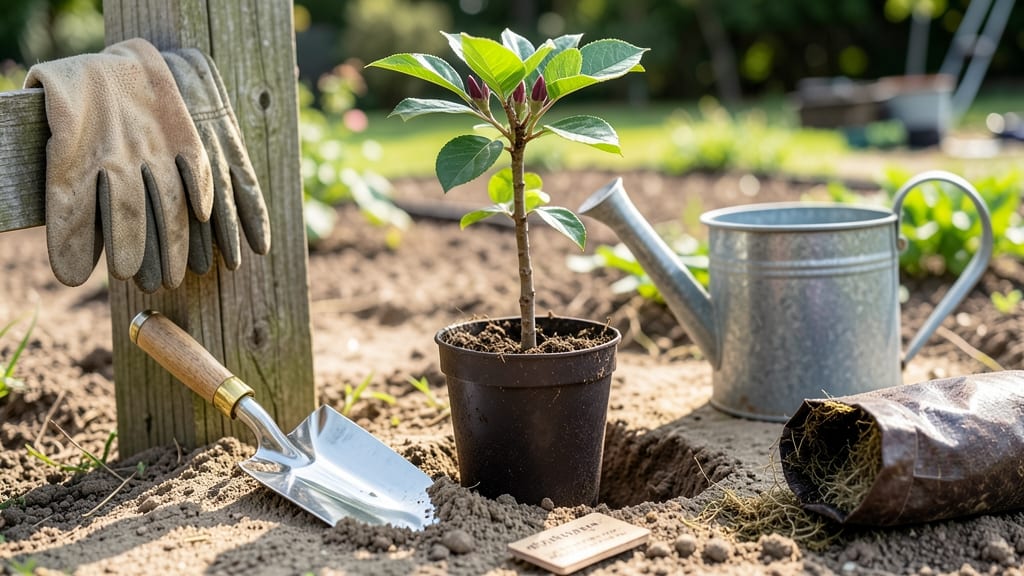
Planting your 🌸 Crepe Myrtle at the wrong time in Florida could mean stunted growth or even frost damage—even though these trees love the Sunshine State's warmth.
The key to vibrant blooms and strong roots lies in timing, and I’ve got the exact months you need to know for your region, whether you’re in chilly North Florida or frost-free South Florida.
Most gardeners assume you can plant anytime, but Florida’s 8a-11 zones actually demand precision. Late winter or early spring is your sweet spot—after the last frost risk (usually January 15–February 15 in North FL) and before summer’s brutal heat.
This window gives your Crepe Myrtle time to establish roots before the real Florida heat kicks in.
Why does timing matter so much? Planting too early exposes roots to cold snaps, while waiting too long stresses the tree during summer’s peak.
I’ll break down the best months for your specific zone, plus soil prep and care tips to ensure your 🌸 Crepe Myrtle thrives year-round—no guesswork, just bold blooms.
Ready to skip the trial-and-error? Let’s dive into the exact planting schedule that’ll have your tree looking like a pro in no time.
Best months to plant crepe myrtle in Florida (avoid these mistakes)
Florida’s diverse climate zones mean crepe myrtles can grow almost year-round—but timing still matters. Planting at the wrong time risks root shock or frost damage in North Florida. The ideal window is late winter to early spring, when soil warms but frost risk fades.
Crepe myrtles thrive in Florida’s USDA Zones 8a-11. In North Florida (Zone 8a), frost can linger until mid-February, while South Florida (Zone 10a+) rarely sees frost. This regional difference changes your planting strategy entirely.
For North Florida, aim for January to early February—after the last frost date but before summer’s brutal heat. In Central Florida (Zone 9a), you’ve got flexibility: December to March works. South Florida gardeners can plant year-round, but spring still gives the best start.
🌱 Florida Crepe Myrtle Planting Guide by Region
| Region | USDA Zone | Best Planting Window | Frost Risk | Key Tip |
|---|---|---|---|---|
| North Florida | 8a | January–February | High (until mid-Feb) | Wait for soil to warm above 60°F |
| Central Florida | 9a | December–March | Low (occasional) | Avoid summer planting—heat stress risk |
| South Florida | 10a–11 | Year-round | None | Spring still best for fastest blooms |
Why does timing matter so much? Crepe myrtles need 6–8 weeks to establish roots before summer’s heat hits. Planting in late spring or summer forces them to compete with weeds and pests while struggling to adapt to 90°F+ temps. Your tree might survive, but it’ll bloom sparingly for years.
Another critical mistake? Planting in early fall. While it might seem like a good idea to beat summer’s heat, crepe myrtles can’t handle Florida’s sudden cold snaps. A November planting risks root stress before winter dormancy, leading to poor growth next spring.
For container planting (common in urban Florida), the rules shift slightly. You can plant anytime in South Florida, but North Florida still needs that January–February window. Containers dry out faster, so ensure your pot has drainage holes and use well-draining soil to prevent root rot.
Pro tip: If you must plant outside the ideal window, choose dwarf varieties like ‘Tonto’ or ‘Natchez’. They adapt better to stress conditions and recover faster. For standard varieties, stick to the January–March window for boldest blooms and healthiest growth.
After planting, focus on deep watering (1–2 inches per week) and mulching to retain moisture. In North Florida, add a light frost cloth if temps dip below 30°F—crepe myrtles can handle 28°F but may suffer leaf damage.
Remember: Florida’s humidity and heat accelerate growth, but poor timing can turn your crepe myrtle into a struggling shrub instead of a showstopping tree. Plant at the right time, and you’ll enjoy year-round blooms with minimal effort. 🌸
Best months to plant crepe myrtle in Florida (avoid these mistakes)
Florida’s unique climate—with its mild winters and humid summers—makes crepe myrtles a year-round favorite. But timing your planting is critical to avoid frost damage in North Florida or root stress from summer heat.
The ideal window is late winter to early spring, when soil warms but frost risk fades. Let’s break it down by region to ensure your tree thrives.
In North Florida (USDA Zones 8a-9a), where frost can linger until mid-February, aim to plant between January 15 and March 15.
This gives roots time to establish before summer’s intensity. Central Florida (Zone 9a-9b) has a slightly longer window—February to April—while South Florida (Zones 10a-11) can plant year-round, though spring or fall minimizes stress. Avoid planting in summer’s peak heat (June-August), as high temps slow root growth.
Here’s why timing matters: Crepe myrtles need 6-8 weeks of root establishment before summer’s heat kicks in.
Planting too early (e.g., December in North FL) risks frost damage, while planting too late (e.g., May) stresses young roots. Early spring strikes the perfect balance—warm soil + moderate rainfall = faster growth and bolder blooms by summer.
🌱 Florida Crepe Myrtle Planting Guide by Region
| Region | USDA Zone | Best Planting Window | Avoid Planting | Key Consideration |
|---|---|---|---|---|
| North Florida | 8a-9a | January 15–March 15 | December–February (frost risk) | Wait for last frost date |
| Central Florida | 9a-9b | February–April | June–August (summer heat) | Balanced humidity and temps |
| South Florida | 10a-11 | Year-round (best: spring/fall) | None (but avoid peak summer) | Minimal frost risk |
💡 Pro Tip: Use local frost maps (like Florida Climate Center) to pinpoint your exact last frost date.
For container planting (common in urban areas), follow the same timing but use well-draining potting mix and a pot 2x wider than the root ball. South Florida gardeners can plant in fall (September-October) to beat summer’s heat, but avoid late fall (November) when temps drop slightly. Mulch heavily (3-4 inches) to retain moisture and regulate soil temps.
Watch for wilted leaves or yellowing foliage after planting—signs of overwatering or poor drainage. In North FL, young trees may need winter protection (burlap wraps) if frost threatens. Prune back any frost-damaged branches in early spring to encourage new growth.
With the right timing, your crepe myrtle will reward you with season-long blooms and minimal stress.
Remember: Crepe myrtles hate soggy roots. Amend heavy clay soil with compost or sand to improve drainage, especially in low-lying areas where water pools. South FL’s limestone soil? Mix in peat moss to boost fertility. The goal? Happy roots = happy blooms.