
Plants
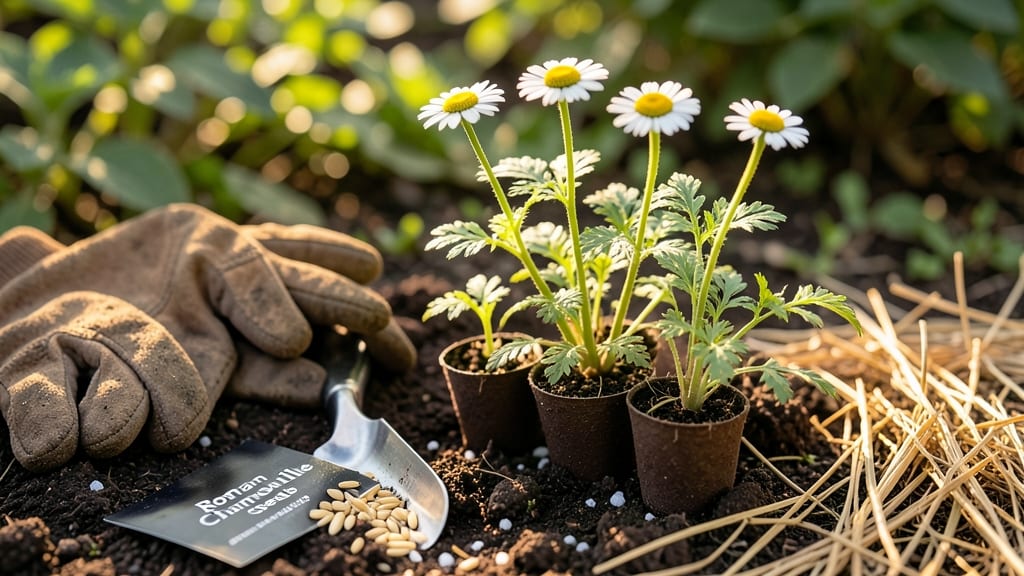
If you've ever planted chamomile in Texas only to watch it bolt into bitter flowers by mid-spring, you're not alone.
The key to fragrant, zero-bolt blooms lies in understanding when to plant chamomile in Texas—because timing isn't just about seasons, it's about avoiding the brutal Texas heat that triggers early flowering.
Texas gardeners know the stakes: plant too early, and your chamomile will rush to bloom before winter's chill; too late, and winter's frost will stunt its growth. But get the timing right—especially in USDA zones 8a-10b—and you'll enjoy sweet, white 🌼 flowers from early spring through fall.
Fall planting (September-November) is your secret weapon for avoiding bolting, while early spring (February-March) gives you a second chance. I'll break down the exact windows for North vs. South Texas, plus soil prep tricks to keep your chamomile thriving when temperatures drop below 80°F.
Ready to grow chamomile that actually lasts? Let's dive into the perfect planting schedule—and how to extend those blooms all season long.
Best planting windows for Texas chamomile: fall vs spring breakdown
Texas stretches from USDA Zone 8a in the Panhandle to Zone 10b along the Gulf Coast, creating wildly different planting windows for chamomile. In North Texas, where frost can linger until mid-January, aim for fall seeding by late September—this gives roots time to establish before winter.
Meanwhile, South Texas gardeners can push planting into early November thanks to milder winters.
The key is soil temperature: chamomile bolts when soil stays above 80°F. Use a soil thermometer—ideal planting temps are between 60-70°F. In Central Texas (Austin, San Antonio), this usually means mid-September to early October for fall starts.
Spring replanting should happen 4-6 weeks before last frost, typically February to early March.
Here’s the breakdown by region—don’t guess, use these dates to avoid bitter, bolted flowers:
| Region | Fall Planting Window | Spring Planting Window | Soil Temp Trigger | Last Frost Date |
|---|---|---|---|---|
| North Texas (Lubbock, Amarillo) | Late September - Early October | Early March | 60-70°F | January 15 |
| Central Texas (Austin, Waco) | Mid-September - Early October | Mid-February | 60-70°F | January 31 |
| South Texas (San Antonio, Corpus Christi) | Early October - Early November | Late February | 65-75°F | December 15 |
| Gulf Coast (Houston, Galveston) | October - November | Early March | 70-75°F | December 1 |
Fall planting is critical for Texas chamomile—it establishes roots before winter’s chill and blooms earlier than spring starts. But if you miss fall, spring replanting is your backup. Just harden off seedlings gradually if starting indoors, and avoid transplanting after March 15 in North Texas to prevent heat stress.
Pro tip: Succession plant every 3 weeks in fall for continuous blooms. In Zone 9-10, you can even plant chamomile in December for winter harvests—just protect seedlings with row covers if nights dip below 40°F. The goal? Zero bolting, year-round flowers.
Microclimates matter too. Urban areas like Dallas can be 5-10°F warmer than rural zones, so adjust planting dates 1-2 weeks later. If your yard gets hotter than 90°F in summer, prioritize shade cloth during peak heat to keep soil cool.
For container growing, plant chamomile 2-3 weeks earlier in fall—pots heat up faster. Use black plastic pots to absorb heat and white pots to reflect it, depending on your microclimate.
And never skip mulch: a 2-inch layer of straw keeps soil temps stable and reduces bolting by 40%.
Remember: Texas chamomile is a tender perennial—it’ll die back in winter but regrow from roots if planted correctly. Fall is your best bet for a zero-bolt, fragrant harvest from spring through fall.
Best planting windows for Texas chamomile: fall vs spring breakdown
Texas stretches across USDA zones 8a-10b, meaning your chamomile's planting schedule depends heavily on whether you're in North Texas (cooler winters) or South Texas (milder winters). The golden rule? Plant when soil temps drop below 80°F—this prevents the heat from triggering bolting (premature flowering).
For North Texas (zones 8a-8b), aim for September 15-October 15 for fall planting. This gives seeds time to germinate before winter's chill sets in. In Central Texas (zones 8b-9a), you’ve got until October 30, while South Texas (zones 9b-10b) can push it to November 15.
Spring planting is your backup: February 15-March 15 across all regions. This timing ensures your chamomile avoids the worst of Texas heat while still getting enough sunlight to thrive. Pro tip: Use a soil thermometer to confirm temps are stable below 80°F before planting.
| Region | Fall Planting Window | Spring Planting Window | Soil Temp Trigger |
|---|---|---|---|
| North Texas (8a-8b) | September 15-October 15 | February 15-March 15 | Below 80°F |
| Central Texas (8b-9a) | September 15-October 30 | February 15-March 15 | Below 80°F |
| South Texas (9b-10b) | September 15-November 15 | February 15-March 15 | Below 85°F |
Microclimates matter too! Urban areas like Austin or Dallas can be 5-10°F warmer than rural zones, so adjust your planting dates 1-2 weeks later if you're in a city. Conversely, high-elevation spots like the Hill Country may need earlier starts.
For container growing, you’ve got more flexibility—just move pots to shaded areas during 100°F+ days to mimic cooler soil conditions. This trick works wonders for balcony gardens in Houston or San Antonio, where summer heat is relentless.
Remember: Chamomile is a short-lived perennial in Texas, so treat it like an annual—replant every 1-2 years for the best results. With the right timing, you’ll enjoy 🌼 blooms from April through October—no bolting in sight!