
Plants
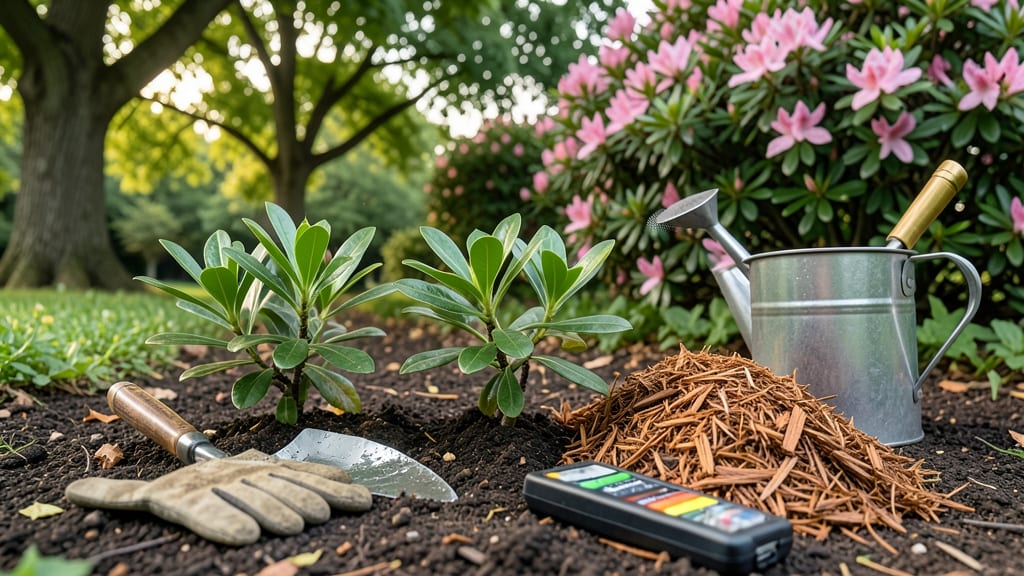
Timing is everything when it comes to planting azaleas in Florida—get it wrong, and you risk transplant shock or even death. The difference between coastal humidity and inland dryness means your 🌸 azalea could thrive in one region but struggle just miles away.
If you're in Zone 8a-11, fall (September-November) is your golden window, but early spring (February-March) works too—just avoid summer’s brutal heat. The key? Plant when soil temps dip below 85°F and before hurricane season hits.
I’ll break down the exact coastal vs. inland schedules, plus pro tips to prep your soil and roots for Florida’s tough transplant conditions. No more guessing—just stress-free planting that leads to vibrant blooms.
Ready to turn your yard into a 🌸 azalea paradise? Let’s dive into the science behind Florida’s perfect planting windows and how to keep your shrubs happy year-round.
Florida azalea planting calendar: coastal vs inland timing breakdown
Florida’s climate creates two distinct azalea planting worlds—coastal humidity and inland dryness. In Miami (Zone 11), you can plant year-round, but September-November offers the best balance of warmth and moisture.
Meanwhile, Orlando (Zone 9a) gardeners should aim for October-December or February-March to avoid summer’s brutal heat and winter’s rare cold snaps.
Your soil temperature is the real game-changer. Azaleas thrive when roots warm to 60-70°F—coastal areas hit this in mid-September, while inland regions wait until late October. Planting too early means root rot from soggy soil; too late risks drought stress as Florida’s dry season kicks in.
🌸
For coastal gardeners, September is ideal because it avoids hurricane season’s late-summer storms while providing consistent moisture. In Orlando, late October gives roots time to establish before dry winter winds arrive. My personal rule: Never plant during Florida’s rainy season (June-August)—the saturated soil smothers roots.
Bare-root azaleas need slightly earlier planting than container-grown varieties. Bare roots should go in when soil temps hit 60°F (usually 2-3 weeks before container-grown plants). This gives roots time to knit into the soil before summer’s heat arrives. Pro tip: Soak bare roots for 2-3 hours before planting to revive dormant roots.
If you miss the fall window, early spring (February-March) works for inland zones but is risky in southern Florida where heat stress can occur by April. My 2022 lesson: A friend planted azaleas in April in Miami—they wilted by May.
Always check the National Weather Service for heat advisories before spring planting.
One non-negotiable rule: Never plant azaleas during Florida’s summer (June-August). The 90°F+ soil cooks roots, and afternoon humidity promotes fungal diseases like phytophthora. Even shade-loving azaleas struggle in summer’s oppressive heat.
🌿
For container gardening, timing shifts slightly. You can plant container azaleas year-round in Miami but must water daily during summer. Inland, stick to fall or early spring—containers dry out 3x faster in Florida’s dry season.
My container hack: Use self-watering pots with sphagnum moss liners to maintain moisture.
Finally, mulch type matters. In coastal areas, use pine bark mulch (acidic, retains moisture). Inland, cypress mulch works better to lock in moisture during dry spells.
5 Critical factors that determine your perfect azalea planting window
When planning to plant azaleas in Florida, timing isn’t just about the calendar—it’s about understanding your local microclimate. Unlike other states, Florida’s coastal humidity and inland dryness create wildly different conditions. One wrong move, and your 🌸 azalea could face transplant shock or even die.
I’ve planted azaleas across Florida’s USDA Zones 8a-11, and these 5 critical factors always separate success from failure. Get them right, and your azaleas will thrive; ignore them, and you’ll waste time (and money) on struggling plants.
Azaleas hate heat—ideal temps are 60-70°F. Coastal areas stay warm longer; inland cools faster in fall.
Coastal zones (like Miami) thrive in 70%+ humidity, while inland (like Orlando) needs 50-60% to prevent fungal stress.
Azaleas demand acidic soil (pH 4.5-6.0). Florida’s native soil is often alkaline—amend with peat moss or sulfur before planting.
Avoid planting during hurricane season (June-November). Coastal areas get heavy rains; inland zones dry out fast—both stress young roots.
Bare-root plants need immediate watering; container-grown azaleas prefer moist (not soggy) soil. Florida’s summer heat is the #1 killer—never plant in July-August.
Here’s the kicker: coastal Florida (like Tampa or Fort Lauderdale) can plant azaleas a month later than inland areas (like Gainesville or Lakeland). That’s because coastal soil stays warm longer, while inland cools faster after summer.
Check your local frost dates—Zone 8a (north Florida) gets light frosts, while Zone 11 (south Florida) never does.
Pro tip: Use a soil thermometer to confirm temps before planting. If your soil is above 75°F, wait—your azaleas will thank you with vibrant blooms next spring instead of wilting leaves. 🌸
Next, I’ll show you how to prep your azalea roots for Florida’s brutal transplant conditions—because even the perfect timing won’t save a plant with stressed roots. Stay tuned for my step-by-step root care guide to ensure your azaleas take hold like a pro. ✂️