
Plants
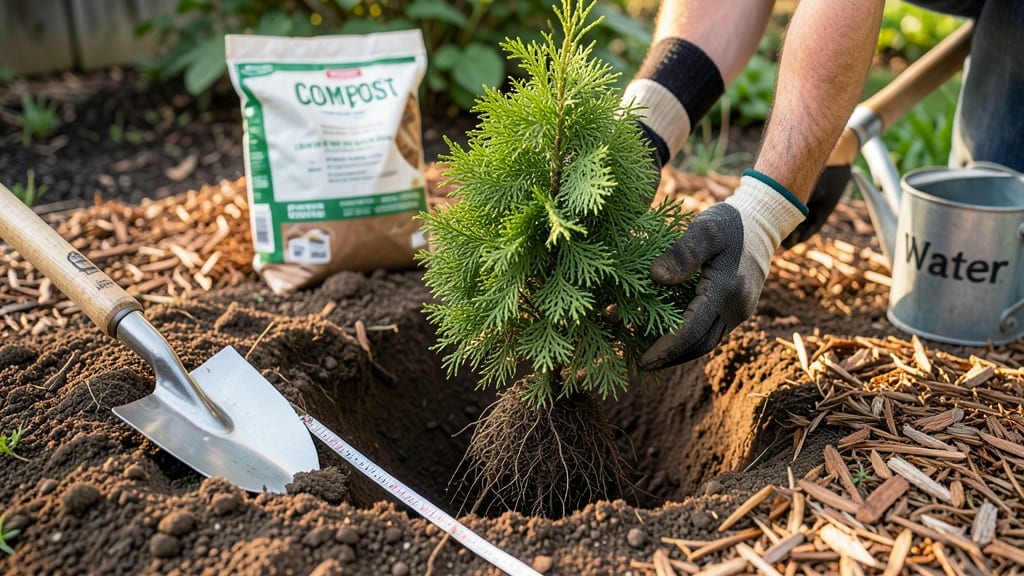
Timing your arborvitae planting in Ohio could mean the difference between a thriving evergreen and one that struggles to take root. With frost dates shifting unpredictably, knowing when to plant your 🌲 arborvitae is the key to giving it the best start in Zone 6a conditions.
Most gardeners swear by early spring or fall planting, but Ohio’s climate throws a curveball—planting too early risks frost damage, while waiting too long stunts root growth. The ideal window? Between March and April or September and October, when soil temperatures are just right for new roots to establish.
Why does this matter? Arborvitae planted at the wrong time may yellow, wilt, or even die back, leaving you with a costly mistake.
I’ll break down Ohio’s frost zones, soil prep secrets, and how to adjust for your specific microclimate—so you can avoid common pitfalls and set your evergreen up for long-term success.
Ready to plant with confidence? Let’s dive into the exact timing, regional adjustments, and care tips that’ll have your arborvitae growing strong for years to come—no guesswork required.
Ohio arborvitae planting timeline: frost-dates by region and variety
Ohio’s USDA hardiness zones 5a-6b create a 6-week window for ideal arborvitae planting, but timing varies by region and variety.
In northern Ohio (Cleveland, Toledo), aim for early May or September to avoid late frosts, while southern Ohio (Columbus, Cincinnati) can plant as late as mid-November before winter dormancy sets in.
Your last frost date is your planting deadline—arborvitae roots need 6-8 weeks to establish before winter. Check the Ohio State University Extension frost map for your exact 10-year average (typically April 15 in north, March 15 in south).
For fast-growing varieties like Emerald Green, plant in early spring (March-April) to maximize first-year growth. Dwarf varieties such as American Plumosa thrive with fall planting (September-October), as cooler temps reduce transplant shock.
Pro Tip: Use the USDA Interactive Plant Hardiness Map to zoom in on your specific ZIP code. Arborvitae in Zone 5a (e.g., Youngstown) need 2 extra weeks of buffer before frost compared to Zone 6b (e.g., Lexington, KY border).
| Ohio Region | USDA Zone | Ideal Planting Window | Last Frost Date | Best Varieties |
|---|---|---|---|---|
| Northern (Cleveland, Toledo) | 5a-5b | April 15-May 15 or Sept 15-Oct 15 | April 15 | Emerald Green, American Plumosa |
| Central (Columbus, Dayton) | 6a | March 20-April 30 or Sept 1-Oct 31 | March 20 | Green Giant, Leap 'n Grow |
| Southern (Cincinnati, Lexington) | 6b | March 1-May 1 or Sept 15-Nov 15 | March 1 | Thunderhead, American Arborvitae |
🌱 Use the table to match your region’s frost dates with the best arborvitae varieties for your Ohio microclimate.
Spring planting (March-April) gives arborvitae 6 months of root growth before winter, but avoid late May plantings—summer heat stresses young roots. Fall planting (September-October) is ideal because cooler temps and natural rainfall reduce watering needs.
For container-grown arborvitae, plant 1-2 weeks earlier than bare-root varieties—their root systems establish faster. Dig a hole twice as wide as the root ball but only 6-12 inches deeper to prevent waterlogging in Ohio’s clay-heavy soils.
Zone 5a gardeners should prioritize hardy varieties like American Arborvitae (Thuja occidentalis), which tolerate -30°F temps. Zone 6b areas can experiment with Thunderhead, a fast-growing option that reaches 10 feet in 5 years with proper care.
Always amend planting soil with compost or peat moss to improve drainage—Ohio’s clay soils can suffocate roots if too dense. Mulch immediately after planting with 3 inches of pine straw to retain moisture and regulate soil temperature.
Monitor your arborvitae’s needle color after planting—dark green needles signal healthy growth, while yellowing or browning indicates transplant shock or overwatering. Adjust care based on your Ohio microclimate (e.g., windier areas need extra watering).
Ohio arborvitae planting timeline: frost-dates by region and variety
Ohio’s USDA Zones 5a-6b mean your arborvitae planting window can shift by weeks depending on where you live. In northern Ohio (Zone 5a), aim for late April to early May or mid-September to October, while southern Ohio (Zone 6b) gardeners have flexibility until mid-May or November.
These windows align with soil temperatures above 40°F, ideal for root establishment.
Most arborvitae varieties—like Emerald Green or American Plumosa—thrive when planted in cool but frost-free soil. Check your local last frost date (typically April 15 in most of Ohio) and plant 2-3 weeks after to avoid cold snaps.
Fall planting works too, but stop by 6 weeks before first frost (usually October 15) to let roots harden.
Here’s how Ohio’s regions break down for optimal planting months:
| Region | USDA Zone | Spring Planting Window | Fall Planting Window |
|---|---|---|---|
| Northern Ohio (e.g., Cleveland, Toledo) | 5a (-20°F) | Late April – Early May | Mid-September – October 1 |
| Central Ohio (e.g., Columbus, Dayton) | 6a (0°F) | Mid-April – Mid-May | Late September – November 1 |
| Southern Ohio (e.g., Cincinnati, Lexington) | 6b (5°F) | Early April – Late May | October – November 15 |
🌡️ Pro Tip: Use the USDA Plant Hardiness Map to pinpoint your exact zone—even a 5°F difference can shift your planting window by weeks!
Variety matters too! Dwarf arborvitae (like Golden Globe) establish faster and tolerate slightly earlier planting, while taller varieties (like Green Giant) need extra time to root. For container-grown trees, plant anytime during the window—their roots adapt quicker. Bare-root varieties? Stick to early spring for best results.
Ohio’s clay-heavy soils can delay warming, so amend with compost or sand before planting. Test soil moisture—if it’s still cold or soggy, wait another week. The goal? Warm soil + cool air = perfect conditions for root growth without stress.
Missed the window? Don’t panic. Container-grown arborvitae can handle late spring planting (up to June 1), but mulch heavily and water deeply every 3-4 days to compensate. Just avoid planting in summer heat—transplant shock becomes a major risk.
Now that you’ve got your timing locked in, let’s tackle the next challenge: spotting planting mistakes before they derail your arborvitae’s growth. Yellowing needles? Stunted roots? I’ll show you how to fix it—next up!