
Plants
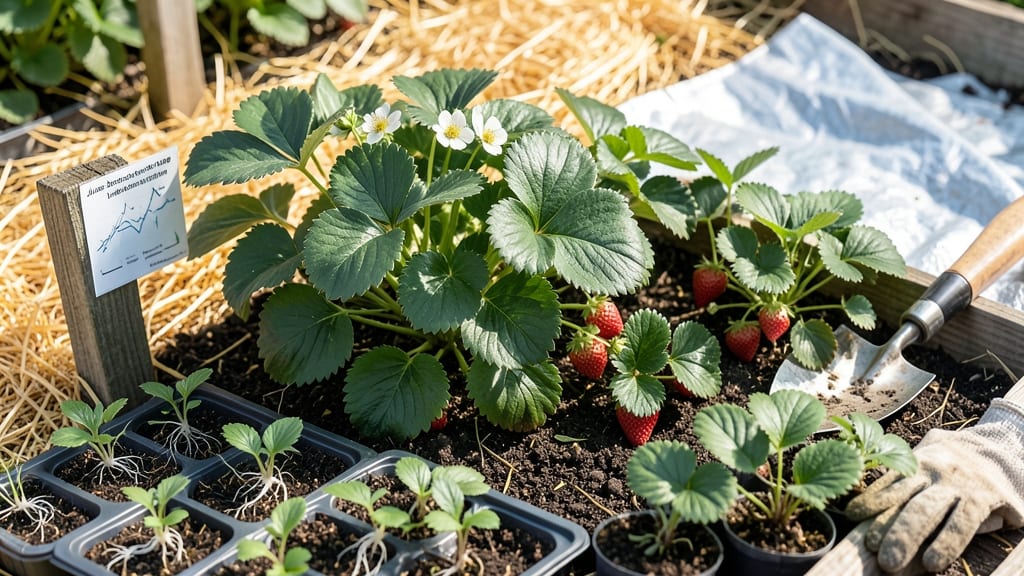
Timing your strawberry planting in Ohio isn’t just about the calendar—it’s about beating the last frost in Zone 6a while avoiding summer’s scorching heat. Skip the guesswork, and you’ll go from browned leaves to juicy 🍓 harvests in just 60 days.
Ohio’s March-April and July-August windows are your best bets, but regional differences matter. Northern Ohio’s chillier microclimates demand earlier starts, while southern areas can push planting later. The key? Planting bare-root crowns just as buds swell—never roots—so they’re ready to thrive when soil warms to 50°F.
June-bearing varieties need spring planting for summer harvests, but everbearing and day-neutral types offer fall extensions if you time it right. I’ll break down how to adjust for Ohio’s 165 frost-free days and which varieties resist the state’s humidity and diseases.
Ready to turn your Ohio garden into a strawberry powerhouse? Let’s dive into the exact frost-free dates, soil prep tricks, and variety picks that’ll have you picking berries from June through October.
Ohio strawberry planting calendar by variety type and frost dates
Ohio’s USDA zones 5-7 create a tricky balance for strawberry planting—too early and frost zaps tender plants, too late and you miss peak fruiting. The key is planting June-bearing, everbearing, and day-neutral varieties during their ideal frost-free windows to ensure a bountiful harvest.
Most Ohio gardeners aim for late March to early April for spring planting or late July to early August for fall planting, but your exact timing depends on the variety and last-frost averages.
For June-bearing strawberries (like ‘Jewel’ or ‘Honeoye’), the spring planting window opens when soil temperatures hit 40°F and the threat of frost has passed—typically after April 15 in most of Ohio. These varieties produce one massive harvest in June-July, so precision timing is critical.
If you plant in fall (July-August), the berries will ripen the following year, giving you a delayed harvest in late June.
Everbearing varieties (such as ‘Ozark Beauty’) offer two harvests—one in early summer and another in fall—but they require careful timing. Plant them in early spring (March-April) or late summer (July-August), ensuring they establish roots before winter. The fall harvest happens in September-October, so late-summer planting is a gamble unless you’re in southern Ohio (zone 6b-7).
Day-neutral varieties (like ‘Seascape’ or ‘Tristar’) are the most forgiving—they produce fruit continuously throughout the season once established. Plant them in early spring (March-April) or even as late as June in northern Ohio (zone 5), though yields may be smaller. Their flexibility makes them ideal for Ohio’s short growing season.
Last-frost dates vary wildly across Ohio: Northern areas (e.g., Cleveland, Toledo) average April 25-May 5, while southern Ohio (e.g., Cincinnati, Columbus) sees frost-free conditions by April 10-20. Use the Old Farmer’s Almanac or local Cooperative Extension Service data to pinpoint your area’s trends. Pro tip: Plant bare-root strawberries (not potted) in early spring for the best root establishment before summer heat arrives.
| Variety Type | Spring Planting Window | Fall Planting Window | Harvest Time | Ohio Zone Notes |
|---|---|---|---|---|
| June-bearing | Late March–Early April | July–Early August | June–July (next year for fall-planted) | Best in zones 6-7; avoid late spring planting in zone 5. |
| Everbearing | Early March–April | Late July–Early August | June + September–October | Zone 5: Plant early spring; zone 6-7: Fall planting works. |
| Day-neutral | March–June | Not recommended | June–First Frost | Most flexible; ideal for zone 5’s short season. |
If you’re planting bare-root strawberries, soak the roots in lukewarm water for 30 minutes before planting to revive them. For potted strawberries, transplant as soon as possible after purchase—delaying by even a week can stress the plants.
Place the crown (where leaves meet roots) just above soil level; burying it invites rot, while leaving it exposed risks sunburn. Space plants 12-18 inches apart in rows 2-3 feet apart for airflow and easy harvesting.
Ohio’s humidity and summer heat can stress strawberries, so choose disease-resistant varieties like ‘Allstar’ (June-bearing) or ‘Seascape’ (day-neutral). After planting, mulch with straw or shredded leaves to retain moisture and suppress weeds—critical in Ohio’s hot, dry summers.
Water deeply once a week (1 inch total) rather than daily shallow watering to encourage deep root growth.
For northern Ohio gardeners (zone 5), consider using row covers or cold frames to extend the season. Plant June-bearing varieties in early spring and protect them with floating row covers until late May to shield from late frosts.
In southern Ohio (zone 6-7), you can push fall planting into early August for a September-October harvest, but avoid planting after August 15—the plants won’t establish roots before winter.
Test your soil’s pH (ideal: 5.5–6.8) and amend with compost or peat moss if needed. Strawberries thrive in well-draining, slightly acidic soil, and Ohio’s clay-heavy soils often need organic matter to improve drainage. A simple so
How to adjust planting times for Ohio’s microclimates and soil conditions
Ohio’s USDA Zones 5-7 create dramatic differences in planting windows—just 30 miles can shift your last frost date by 2 weeks.
Northern Ohio gardeners (like those in Zone 5b) should plant bare-root strawberries as early as late March, while southern Ohio (like Zone 6b) can wait until mid-April without risking frost damage.
Microclimates matter too: South-facing slopes warm faster, letting you plant 10-14 days earlier than shaded areas. Even urban heat islands can push back frost dates by 5-7 days—test your spot with a frost-sensitive plant (like coleus) the prior fall to confirm your local window.
🌱 Pro Tip: Use black plastic mulch or straw mulch to warm soil 5-10°F faster in cooler zones. Lay it down 2 weeks before planting to jumpstart root growth.
⚠️ Avoid These Common Mistakes
Planting too early: Cold, wet soil (below 50°F) causes root rot—wait until soil stays 55°F+ for 3 days.
Ignoring soil pH: Ohio’s clay-heavy soils often test 6.0-6.5 (ideal: 5.5-6.5). Amend with lime (to raise pH) or sulfur (to lower pH) 4-6 weeks before planting.
Skipping soil tests: Use a $10 home test kit to check for phosphorus (P) and potassium (K)—strawberries need 30-40 ppm P and 150-200 ppm K.
For extended seasons, try these tricks:
- Row covers (like frost cloth) push fall planting to mid-September in northern Ohio.
- Cold frames let you harvest 2-3 weeks earlier in spring by trapping heat.
- Raised beds warm 2-3°F faster than in-ground soil—ideal for Zone 5b gardeners.
Soil temperature is your #1 indicator. Use a soil thermometer ($10) to confirm 55°F+ at 4" depth before planting. In Zone 6a, this usually aligns with mid-April, but Zone 5b may need to wait until late April.
🌿 Final Check: Before planting, press your finger 1 inch into soil—if it feels like a sponge (not mud), it’s ready. Add compost for drainage if your soil stays soggy after rain.