
Plants
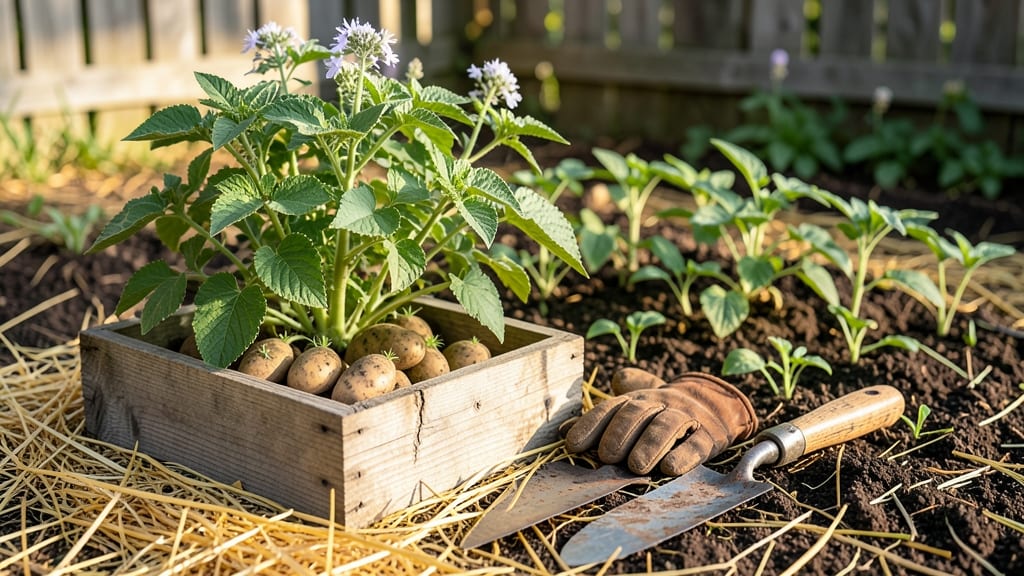
Florida’s ideal planting windows by soil temperature Zones
Florida’s climate is unique—no frost dates to guide you, but soil temperature becomes your best friend for potato planting. Unlike northern states, potatoes here thrive when the ground warms to 50–60°F, signaling it’s time to plant.
Miss this window, and you risk bolting (premature flowering), which turns your spuds into bitter, inedible tubers.
North Florida’s cooler winters (Zones 7b–8a) offer a fall and spring planting window, while Central and South Florida (Zones 8b–11) can plant year-round with the right tricks.
The key? Timing soil warmth, not air temperature. A soil thermometer is your new best tool—skip it, and you’re gambling with your harvest.
Here’s the breakdown by region, with exact months and soil triggers to avoid bolting:
| Region | Soil Temp Threshold | Best Planting Window | Avoid Planting After | Notes |
|---|---|---|---|---|
| North Florida (Zones 7b–8a) | 50–55°F | Late Feb–early March OR Mid-Sept–early Oct |
Late April (bolting risk) | Use black plastic mulch to warm soil faster. |
| Central Florida (Zones 8b–9a) | 55–60°F | Early March–April OR Mid-Aug–Sept |
June (summer heat stress) | Plant in raised beds for temperature control. |
| South Florida (Zones 10a–11) | 60–65°F | Year-round (with shade) | None (but yields drop in peak summer) | Use 50% shade cloth in summer months. |
For North Florida gardeners, spring planting (February–March) is your gold standard. The soil warms gradually, reducing bolting risk. But don’t overlook fall plantings—September–October offers cooler temps and fewer pests.
Central Florida’s window is shorter: March–April and August–September. South Florida? You’re in luck—plant anytime, but avoid June–August when soil can hit 80°F+, stunting growth.
Pro tip: If your soil is too cold, speed up warming with black plastic mulch or a cold frame. For South Florida, shade cloth is your summer ally. Both tricks mimic ideal conditions and protect your crop from Florida’s extremes.
Timing isn’t just about months—it’s about soil temperature. Use a soil thermometer ($10 at garden centers) to confirm readiness. Plant when the ground hits 50°F+, and you’ll avoid the heartbreak of bolting and maximize your harvest.
Once you’ve nailed the timing, the next critical step is soil prep. Florida’s sandy soils need organic matter to retain moisture and nutrients. Work in compost or aged manure before planting, and aim for a pH of 5.0–6.5.
Acidic soil? Add lime; too alkaline? Use sulfur. Get this right, and your potatoes will thrive.
For Florida gardeners, variety selection matters just as much as timing. Heat-sensitive varieties like Russet will bolt in summer, while Yukon Gold or Red LaSoda tolerate warmer soils. Stick to early-maturing varieties (60–75 days) to beat Florida’s heat and pests.
Now that you’ve got the perfect planting window locked down, your next move is to prevent bolting. The biggest mistake? Planting too early when soil is still cool. Always wait for consistent 50–60°F soil temps, and you’ll avoid this common pitfall.
How to avoid bolting: soil prep and variety selection for Florida’s heat
Florida’s warm climate can turn your potato patch into a premature bolting disaster if you don’t act now. The key to preventing this is soil temperature control and variety selection, both of which I’ve perfected after years of trial and error in my own garden.
Let’s dive into the specifics so you can avoid the heartbreak of tiny, flower-filled tubers instead of harvest-worthy spuds.
Your first line of defense is soil pH—potatoes thrive in acidic to slightly acidic soil (5.0–6.5). Test your soil before planting; if it’s outside this range, amend it with sulfur (to lower pH) or lime (to raise pH).
My soil was stubbornly neutral, so I added elemental sulfur in the fall, and my potatoes grew like champions the next spring. Don’t skip this step—it’s non-negotiable for Florida’s sandy soils.
Next, black plastic mulch is your secret weapon against Florida’s heat. Lay it down 2–3 weeks before planting to warm the soil to the ideal 50–60°F range.
I’ve seen gardeners swear by this trick, and I can confirm it works—my Yukon Gold potatoes bolted in July without mulch but thrived in the same heat when I used it. Pro tip: Secure the edges tightly to prevent weeds from stealing nutrients.
- Planting too early when soil is still cool (<50°F) can shock roots and trigger flowering.
- Overwatering leads to soggy soil, which stresses plants and encourages premature blooms.
- Using late-maturing varieties like ‘Russet Burbank’ in Florida’s heat—these need cooler climates.
- Skipping mulch in summer means soil heats up too fast, confusing potatoes into thinking it’s time to flower.
Now, let’s talk varieties. Not all potatoes are created equal in Florida’s heat. Early-maturing varieties like ‘Red LaSoda’ (60–70 days) or ‘Early Girl’ (50–60 days) are your best bets for spring plantings. For fall, try ‘Kennebec’ (80–90 days), which handles cooler temps better.
I once planted ‘Idaho Russet’ in my Orlando garden—big mistake. By June, they were flowering like wildflowers. Stick to bolt-resistant varieties or risk wasting your effort.
One more pro tip: Plant seed potatoes in well-drained raised beds if your soil is heavy or prone to waterlogging. I built a 4-foot-wide bed last year, and my fingerling potatoes grew twice as fast because the soil stayed consistently moist but never waterlogged.
Raised beds also give you better control over soil temperature, which is critical in Florida’s unpredictable spring weather.
Finally, avoid nitrogen-heavy fertilizers right before planting. Too much nitrogen can encourage leafy growth at the expense of tubers. Instead, use a balanced 5-10-10 fertilizer at planting time, then switch to a low-nitrogen, high-phosphorus feed (like 0-20-20) once sprouts appear.
My potatoes went from sad to spectacular after I made this switch!
With these soil prep and variety tricks, you’ll be well on your way to a bolt-free potato harvest—no matter how hot or humid Florida gets. 🥔✂️💧