
Plants
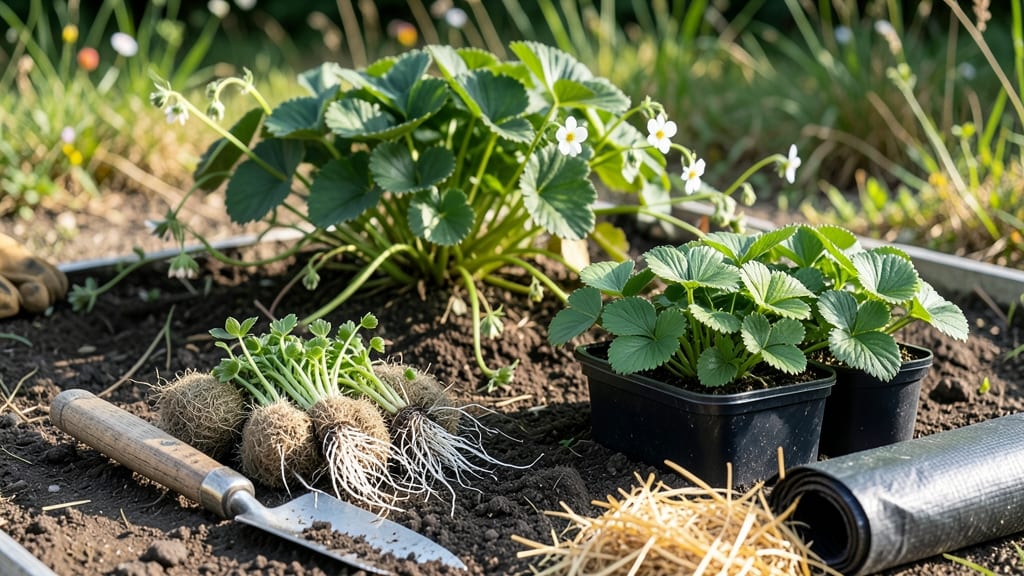
If you're wondering when to plant strawberries in Zone 8, timing isn't just about the calendar—it's about unlocking a harvest that tastes sweeter and lasts longer. The fall window (September-October) gives your 🍓 plants time to establish roots before winter, while spring planting (February-March) catches the early growing season.
But here's the twist: everbearing varieties need cooler temps to fruit, so their schedule differs slightly from June-bearers.
Zone 8's mild winters and long growing season create unique opportunities—plant too early, and summer heat stresses young plants; too late, and you miss the prime root-development window.
I'll show you exactly how to read your microclimate (yes, even within Zone 8) to pick the perfect dates for your garden's specific conditions.
Beyond dates, soil prep and protection are game-changers. We'll cover how mulching with straw (not pine needles) regulates soil temps, and when to pull out the frost cloth for those late fall plantings. These small adjustments can mean the difference between a small harvest and a berry-filled summer.
Ready to transform your strawberry patch? Let's dive into the cool-season secrets that will have you picking plump, flavorful berries from spring through fall—without the guesswork. Your perfect planting timeline starts here.
Best planting windows for strawberries in Zone 8 (fall vs spring breakdown)
In Zone 8, strawberries thrive with precise timing—plant too early, and frost will damage tender roots; too late, and summer heat stresses young plants. The ideal planting windows are late winter (February-March) for spring harvests or fall (September-October) for early spring fruiting.
Everbearing varieties offer flexibility, while June-bearing types demand strict timing.
Fall planting gives strawberries a head start, allowing roots to establish before winter dormancy. Spring planting, however, risks heat stress if done too late. Zone 8’s microclimates (like urban heat islands or shaded spots) can shift ideal dates by 2-3 weeks, so monitor local forecasts.
For example, coastal areas may plant 2 weeks earlier than inland zones.
🌱
| Planting Window | Ideal Months | Temperature Threshold | Variety Notes |
|---|---|---|---|
| Fall Planting | September–October | 40–50°F soil temps | June-bearing: 60% harvest next spring; Everbearing: 30% harvest fall/winter |
| Spring Planting | February–March | Above 45°F consistently | June-bearing: Full harvest; Everbearing: Continuous fruiting |
| Late Summer (Risky) | August (coastal only) | Below 85°F shade | Day-neutral only; 50% yield loss likely |
For June-bearing strawberries, fall planting yields 60% of next year’s harvest because roots establish over winter.
Everbearing varieties, however, produce 30% of their crop in fall if planted in September, with the rest ripening in spring. Day-neutral types (like 'Albion') can handle late summer plantings in cooler microclimates but struggle in inland heat.
Soil temperature is critical—use a soil thermometer to confirm 40–50°F before planting. In Zone 8a (colder end), aim for September 15–October 15; in Zone 8b, stretch to October 15–November 1. Spring plantings should occur 6–8 weeks before last frost (typically February 15–March 15).
Pro tip: Plant bare-root strawberries in fall and potted transplants in spring to avoid soil-borne diseases. Soak bare roots in water for 2–4 hours before planting to revive dormant roots. Space plants 12–18 inches apart in rows 2 feet apart for airflow and easy harvesting.
Mulch heavily with straw or pine needles after planting to insulate roots from winter freeze-thaw cycles. In spring, remove mulch 2–3 inches from crowns to prevent rot. Everbearing varieties benefit from light winter mulch (2–3 inches) to protect emerging shoots from late frosts.
🌿
If you’re new to strawberries, everbearing varieties like 'Seascape' or 'Tristar' are forgiving—they produce two harvests per year with minimal timing stress. June-bearing types (e.g., 'Chandler') demand precision but reward with larger, sweeter berries in a single flush. Test a mix of both to balance yield and convenience.
Finally, avoid planting in summer—the heat stresses plants, and they’ll bolt to flower prematurely. Instead, use shade cloth if you must plant in late summer, and prioritize drip irrigation to keep soil evenly moist. With the right timing, your Zone 8 strawberries will thrive year after year!
Best planting windows for strawberries in Zone 8 (fall vs spring breakdown)
Zone 8 gardeners have two prime windows for planting strawberries: fall (September-October) and spring (February-March). The key difference? Fall plantings establish roots before winter, while spring plantings catch the early growing rush. But timing isn't one-size-fits-all—everbearing varieties need cooler temps to fruit, so their schedule shifts slightly from June-bearers.
For June-bearing strawberries, aim for late February to early March in spring. This gives them 8-10 weeks of cool weather to develop strong roots before summer heat arrives.
In fall, September 15-October 15 is ideal—plants need 4-6 weeks to root before winter dormancy. Everbearing types? Plant them 2-3 weeks earlier in both seasons to trigger flowering.
📅 Zone 8 Strawberry Planting Comparison
| Season | Best Months | Ideal Soil Temp | Variety Fit | Key Tip |
|---|---|---|---|---|
| Spring | Feb-March | 40-50°F | June-bearing | Mulch with straw to retain moisture |
| Fall | Sep-Oct | 50-60°F | Everbearing/Day-neutral | Add compost for winter root growth |
Your microclimate matters—coastal Zone 8 areas (like San Diego) can plant 2-3 weeks later than inland spots (like Phoenix). Check your last frost date (typically February 15 in Zone 8) and count backward: 6-8 weeks before frost for fall plantings, 8-10 weeks before summer heat for spring.
Pro tip: Bare-root plants thrive in fall, while potted transplants handle spring better. Everbearing varieties like Seascape or Albionel love fall planting—they’ll fruit lightly that season and heavily next spring. June-bearers? Wait for spring to avoid summer stress.
Don’t overlook soil prep—amend beds with compost and a 10-10-10 fertilizer 2 weeks before planting. Zone 8’s clay-heavy soils often need sand or perlite for drainage. Test your pH too—strawberries crave 5.5-6.5. Adjust with lime (to raise) or sulfur (to lower) before planting.
Ready to pick your perfect window? Fall plantings mean earlier spring harvests, while spring gives you longer summer production. For everbearing types, fall is your best bet—they’ll reward you with berries in both seasons. 🍓