
Plants
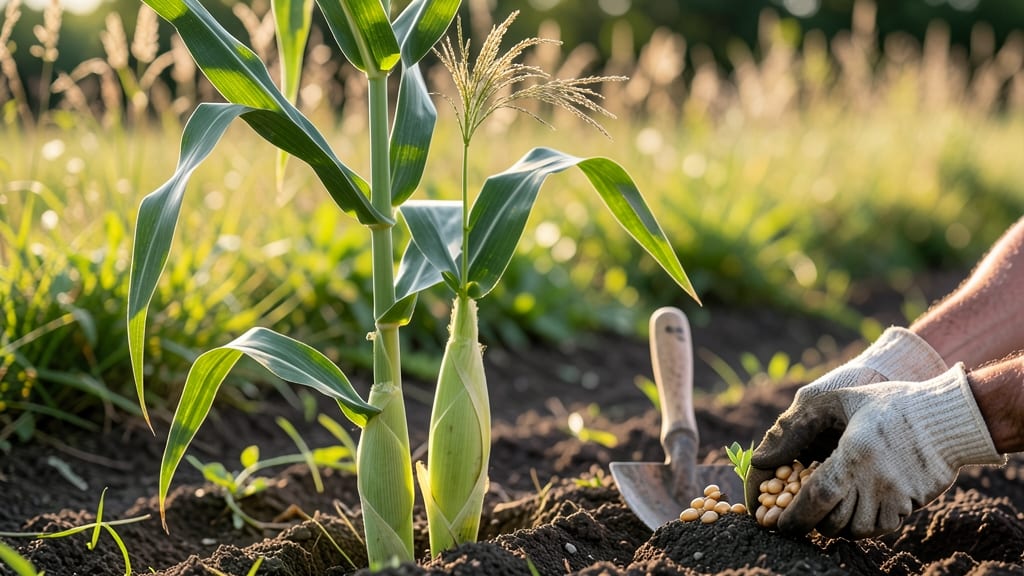
Timing your 🌽 corn planting in California isn’t one-size-fits-all—because coastal areas and inland valleys have completely different growing seasons.
Plant too early in the Bay Area, and you might miss the sweet spot for harvest; time it wrong in the Central Valley, and heat stress could ruin your crop before it even matures.
I’ve grown corn in both 9a-10b zones and know firsthand how critical the right window is. Whether you’re in frost-free coastal 10a-10b or the warmer inland valleys, getting the soil temperature and regional microclimates right makes all the difference between a bountiful harvest and a disappointing flop.
In this guide, I’ll break down the exact planting windows for your area—from late March in inland valleys to April-June along the coast—plus pro tips to extend your growing season.
You’ll learn how to choose the right variety, prep your soil, and avoid common mistakes that wreck California corn crops every year.
Ready to grow the sweetest, juiciest ears your neighbors have ever tasted? Let’s get started with the timing secrets that work for your specific corner of the Golden State.
California corn planting calendar: coastal vs inland timing differences
California’s diverse climate means your corn planting timing depends entirely on whether you live near the coast or inland. Coastal areas like San Francisco enjoy mild winters and longer growing seasons, while inland valleys like the Central Valley experience hotter summers and occasional late frosts.
Getting the timing right ensures your corn matures before summer heat or fall rains set in.
For most of California, soil temperature is the key factor—corn thrives when soil reaches 60°F (15°C). Coastal gardeners can start as early as late March, while inland gardeners should wait until mid-April to avoid frost damage. Let’s break down the best planting windows for your region.
🌽 CORN PLANTING WINDOWS BY REGION
| Region | Optimal Planting Window | Soil Temp Threshold | Harvest Window | Key Consideration |
|---|---|---|---|---|
| Coastal (SF, LA, Santa Barbara) | Late March–June | 60°F+ (warms faster with black mulch) | June–September | Cool nights slow growth; use row covers |
| Inland Valleys (Sacramento, Central Valley) | Mid-April–early May | 60°F+ (warmer soil faster) | May–October | Hot summers; plant early varieties |
| Desert (Palm Springs, Joshua Tree) | Late May–early June | 70°F+ (avoid extreme heat) | July–September | Use shade cloth; water deeply at night |
| Mountain (Sierra Foothills) | Late May–June | 65°F+ (cooler nights) | July–September | Short season; choose fast-maturing varieties |
If you’re in a coastal zone, start with early-maturing varieties (60–75 days to harvest) like ‘Golden Bantam’ or ‘Silver Queen’ to avoid summer heat stress. Inland gardeners can opt for medium-maturing varieties (75–90 days) such as ‘Peaches and Cream’ or ‘Bodacious’ to stretch the harvest into fall.
Pro tip: Succession planting every 2–3 weeks ensures a continuous harvest. For example, plant your first batch in late April and follow up in May and June to enjoy corn through September. This works especially well in inland regions where the growing season is shorter.
Another critical factor is soil preparation. Corn loves well-draining, fertile soil with a pH between 6.0–7.0. Before planting, amend your soil with compost or aged manure and consider using black plastic mulch to warm the soil faster in cooler coastal areas.
For gardeners in high-elevation areas (like the Sierra Foothills), focus on short-season varieties that mature in 60–75 days. These areas often experience cooler nights, which can delay growth. Planting in late May gives your corn enough time to mature before fall temperatures drop.
Finally, pay attention to local weather forecasts. Even in frost-free zones, unexpected cool snaps can slow germination. If your soil is below 60°F, wait a few more weeks or use a seedling heat mat to kickstart growth.
With the right timing, you’ll enjoy sweet, juicy corn straight from your garden—no grocery store in sight! 🌽
California corn planting calendar: coastal vs inland timing differences
California’s diverse climate means your corn planting window depends entirely on whether you’re in coastal areas (like San Francisco or Santa Barbara) or inland valleys (such as Sacramento or Bakersfield).
Coastal regions enjoy mild winters and cool summers, while inland zones bake under intense heat—and both require different strategies for success.
For coastal gardeners, the sweet spot is April through June, when soil temperatures finally hit the 60°F threshold corn craves. Inland growers, however, can start as early as late March thanks to warmer soils.
Missing these windows risks stunted growth or heat stress, so let’s break it down by region.
🌽 California Corn Planting Windows by Region
| Region | Optimal Planting Window | Soil Temp Threshold | Harvest Window |
|---|---|---|---|
| Coastal (SF, LA, Santa Barbara) | April 15 – June 15 | 60°F+ (15°C) | June – September |
| Inland Valleys (Sacramento, Bakersfield) | March 15 – May 15 | 55°F+ (13°C) | May – October |
| Desert (Palm Springs, Joshua Tree) | April 1 – June 10 | 65°F+ (18°C) | June – August |
💡 Pro Tip: Use black plastic mulch to warm coastal soils faster by 5–10°F.
If you’re in USDA Zone 10a-10b (coastal), aim for late April to avoid cool, damp soils that slow germination. Inland gardeners in Zone 9a-9b can push planting to early March—just be ready for rapid growth once temperatures rise.
Both regions benefit from succession planting every 2–3 weeks to stretch harvests.
For coastal areas, choose early-maturing varieties like ‘Golden Bantam’ (60 days) to beat summer’s foggy, cooler spells. Inland growers can opt for heat-tolerant types like ‘Peaches and Cream’ (110 days), which handle 100°F+ days better.
Always check seed packets for days to maturity and adjust your planting window accordingly.
One common mistake? Planting too late in coastal zones and missing the June harvest window before summer fog sets in. Conversely, inland gardeners often rush planting in March before soils warm enough—leading to poor germination. Use a soil thermometer ($10 at garden centers) to confirm 60°F+ before sowing.
For maximum yields, align your planting with local pollinators. Corn relies on wind and bees for pollination—so avoid planting in isolated patches. Group plants in blocks of 4x4 feet for better cross-pollination, especially in coastal areas where breezes are lighter.
Inland zones can handle larger plantings due to stronger winds.
Ready to pick your perfect planting date? Bookmark this calendar and set a reminder for soil temperature checks—your 🌽 harvest depends on it!