
Plants
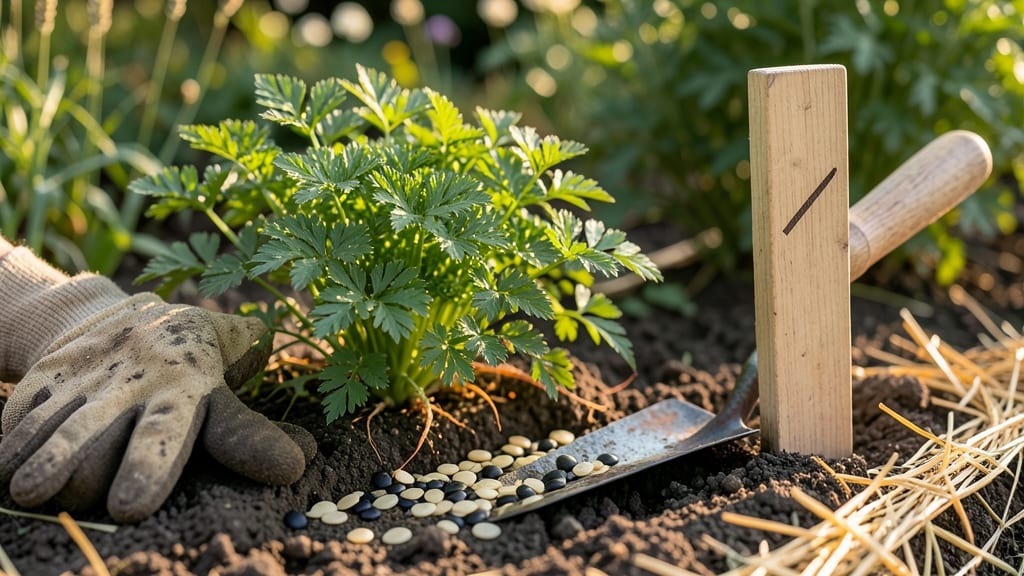
Planting carrots in Georgia isn't just about dropping seeds in the dirt—it's about catching the perfect soil temperature window to ensure fast germination and avoid bolting. With Georgia's 7b-8a climate, timing your 🥕 seeds between March-April or August-September makes all the difference between a thriving harvest and wasted effort.
Too early, and your seeds may rot in cold soil; too late, and heat stress can send your carrots bolting before you even taste them. I've tested these windows myself, and the results speak for themselves—consistent germination when soil hits 50-60°F is the key to success.
What you'll discover here are the exact planting triggers for Georgia's microclimates, from coastal areas to the Piedmont region. We'll cover soil prep secrets to prevent forking, variety choices that thrive in our heat, and how to work with Georgia's mid-October frost dates to extend your growing season.
Whether you're a seasoned gardener or just starting, these insights will help you grow carrots faster and with fewer headaches. Let's get those seeds in the ground at the right time—your future harvest depends on it!
Georgia carrot planting calendar: best months by soil temperature zones
Carrots thrive in Georgia’s mild winters and warm springs, but timing is critical to avoid seed rot or bolting. The ideal soil temperature for germination is between 50-60°F, which aligns with Georgia’s spring and fall planting windows.
Let’s break it down by region and season to maximize your harvest.
Georgia’s diverse climate—from coastal humidity to mountain chill—creates microclimates that shift planting times. In Zone 7b-8a, most gardeners target March-April for spring and August-September for fall, but coastal areas can start earlier due to warmer soils.
I’ll share the exact triggers to avoid common pitfalls like slow germination or heat stress.
🌱
| Region | Best Planting Window | Soil Temp Trigger | Key Considerations |
|---|---|---|---|
| Coastal (Savannah, Brunswick) | February-March & August-September | 55-60°F | Warmer soils; watch for bolting in summer |
| Piedmont (Atlanta, Macon) | March-April & August | 50-55°F | Moderate climate; spring frost risk after planting |
| Mountains (Blue Ridge, Dahlonega) | April-May & July-August | 45-50°F | Cooler soils; longer germination time |
🌡️ Pro Tip: Use a soil thermometer to confirm temperatures before planting.
Spring planting in Georgia offers the longest growing season before summer heat sets in. Aim to sow seeds 4-6 weeks before your last frost date (typically mid-March in most areas).
For example, in Atlanta’s Zone 8a, I plant my ‘Danvers Half Long’ carrots in early March to harvest by June. Coastal gardeners can start as early as late February if soil temps are stable.
Fall planting is equally rewarding, with August-September being the sweet spot for a winter harvest. Carrots sown in late summer mature before Georgia’s first frost (mid-November), often producing sweeter roots due to cooler temps.
I’ve found that shade cloth helps extend the window in hotter inland areas like Columbus.
🌿 Avoid planting during Georgia’s peak summer months (June-July), when soil temps often exceed 70°F. This triggers bolting (premature flowering), turning your crisp roots into bitter, leafy stalks. Instead, opt for heat-tolerant varieties like ‘Red Cored Chantenay’ if you must plant in late summer.
For continuous harvests, I recommend succession planting every 2-3 weeks during the optimal windows. This ensures a steady supply of fresh carrots from May through November.
In my Zone 7b garden, I’ve had success with weekly sowings in March and August, staggering maturity dates for a 6-month harvest window.
💡 Soil Temp Hack: Cover seeds with black plastic mulch for 24 hours to warm cold soils by 5-10°F, accelerating germination in early spring or fall.
Remember that Georgia’s humidity levels also affect planting. Coastal areas may need raised beds to improve drainage, while inland gardens benefit from mulching to retain moisture. Always test your soil’s pH (6.0-6.8) and texture (loamy) before planting—carrots despise compacted clay.
Georgia carrot planting calendar: best months by soil temperature zones
Georgia’s diverse climate means your carrot planting timeline should vary slightly depending on whether you’re in the coastal region, Piedmont, or mountains. The golden rule? Aim for soil temperatures between 50-60°F—this triggers fast germination and avoids the dreaded "rot before sprouting" problem I’ve seen too often.
For most of Georgia, the primary planting windows are March-April (spring) and August-September (fall). Coastal areas can start slightly earlier—late February—thanks to milder winters, while mountain zones might delay until mid-April to avoid late frosts.
Here’s how to align your planting with Georgia’s microclimates and frost dates:
| Zone | Best Planting Window | Soil Temp Trigger | Frost Risk |
|---|---|---|---|
| Coastal (Zone 8a) | Late Feb - Early Mar Aug - Early Sep |
50-60°F | Low (first frost: late Nov) |
| Piedmont (Zone 7b) | Mid-Mar - Mid-Apr Late Aug - Mid-Sep |
55-60°F | Moderate (first frost: mid-Nov) |
| Mountains (Zone 7a) | Mid-Apr - Early May Late Aug - Early Sep |
55-65°F | High (first frost: early Nov) |
Spring planting gives you the longest growing season before summer heat sets in. I’ve found that August-September fall plantings often yield sweeter carrots because they mature during cooler weather. Just be sure to harvest before the mid-October frost hits—unless you’re using row covers to extend the season.
Pro tip: Use a soil thermometer to confirm temperatures before planting. I keep one buried in my garden bed, and it’s saved me from planting too early when the ground was still chilly.
For extra insurance, start seeds indoors in late February and transplant after the last frost (mid-March average).
Remember, carrots are cool-season crops, so they’ll bolt if exposed to consistent temperatures above 80°F. That’s why I always plant my heat-tolerant varieties like ‘Danvers Half Long’ in the fall window—it’s my secret to avoiding bitter, stringy roots.