
Companion Plants
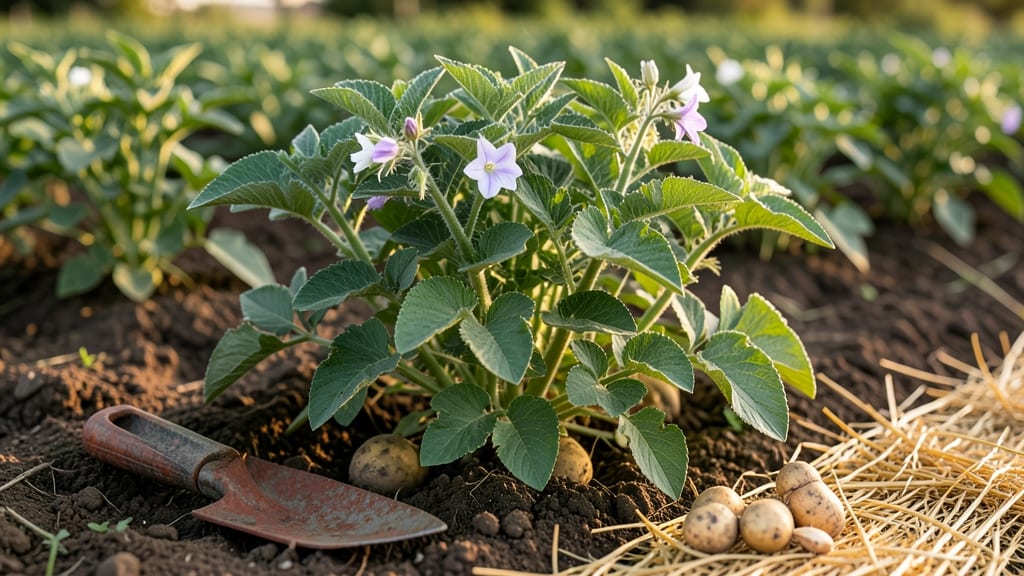
Timing when you plant potatoes in Pennsylvania just right could mean the difference between a bountiful harvest of crisp, golden 🥔 and a season of disappointment.
With Pennsylvania’s 5b-7a climate zones, knowing when to plant isn’t just about the calendar—it’s about soil temperature, frost dates, and even which variety you choose.
Most gardeners in PA plant their seed potatoes between mid-March and early April, but that window can shift depending on whether you’re growing early varieties or waiting for summer planting.
The key? Waiting until the soil warms to at least 45°F—any earlier, and your potatoes risk sitting in cold, soggy ground.
I’ll break down the exact planting triggers, from chitting your seed potatoes to adjusting for late frosts, so you can start strong and avoid common mistakes. Whether you’re a first-time gardener or a seasoned grower, these fast-sprouting tips will help you time it perfectly.
Ready to grow potatoes that thrive in PA’s climate? Let’s dive into the science—and save you from planting too soon or too late.
Best planting time for potatoes in PA based on soil temperature
Pennsylvania’s variable spring weather makes timing your potato planting tricky—but mastering soil temperature triggers ensures fast sprouting and a bountiful harvest. Unlike many crops, potatoes thrive when planted in cool but workable soil, not scorching heat.
The ideal window starts 2-4 weeks before your last frost date, typically mid-March to early April across most of PA. However, soil temperature is the true decider: aim for 45°F (7°C) or warmer.
Cold soil slows germination, leaving your seed potatoes vulnerable to rot. In northern PA (USDA zones 5b-6a), like Erie or Scranton, wait until late April when soil finally warms. Meanwhile, southern PA (zones 6b-7a), such as Philadelphia or Lancaster, can plant as early as mid-March.
Always check your local frost dates—Penn State Extension provides free frost maps tailored to your county.
For early varieties like Yukon Gold or Red Pontiac, plant as soon as soil reaches 45°F—even if frost looms.
These cold-hardy types sprout faster in cooler temperatures, giving them a head start. Late varieties, such as Russet Burbank, prefer warmer soil (50°F+) and should wait until late April to early May to avoid blight risks later in the season.
🌱Pro Tip: Use a soil thermometer to monitor temperatures. Stick it 4 inches deep—the depth where potatoes grow—and plant only when it consistently reads 45°F+ for 3+ days.
🥔 Pennsylvania Potato Planting Timeline by Region
| Region | USDA Zone | Last Frost Date | Ideal Planting Window | Soil Temp Threshold |
|---|---|---|---|---|
| Northern PA (Erie, Scranton) | 5b-6a | Late April - Early May | Late April | 45°F+ (7°C) |
| Central PA (Harrisburg, State College) | 6a-6b | Mid-April - Late April | Early April | 45°F+ (7°C) |
| Southern PA (Philadelphia, Lancaster) | 6b-7a | Early April - Mid-April | Mid-March | 45°F+ (7°C) |
📅 Note: Adjust for microclimates—low areas freeze later; slopes warm faster.
If you miss the spring window, don’t despair—Pennsylvania’s short growing season allows for a second planting in late July. This summer crop matures just in time for fall harvests before frost.
Choose fast-maturing varieties like Kennebec or New Potato types, which reach harvest in 70-90 days. Plant these after July 15 to avoid blight, which thrives in hot, humid summer nights.
For container gardening in PA, start 2 weeks earlier than in-ground planting. Pots warm up faster, so aim for early April in most regions. Use black plastic pots to absorb heat and speed up soil warming. Just ensure pots have drainage holes—potatoes hate soggy roots.
🌡️ Warning: Planting too early in cold, wet soil causes seed rot. If your soil is below 45°F or saturated, wait. A 5-day delay can save your entire crop.
To stretch your growing season, try straw mulch over planted rows. It insulates soil, keeping temperatures stable and protecting tubers from late spring frosts. In northern PA, this trick adds 1-2 extra weeks of planting time.
Finally, track your
How to prepare potatoes for early vs. late planting in Pennsylvania
Preparing your seed potatoes correctly is just as critical as timing your planting. In Pennsylvania’s variable climate, the difference between early and late planting requires distinct approaches to ensure strong, healthy sprouts.
For early spring planting, focus on hardening your seed potatoes and selecting cold-tolerant varieties like Yukon Gold or Red Pontiac. These varieties thrive when planted as soon as the soil reaches 45°F.
If you’re planting in late spring or summer, opt for heat-resistant varieties such as Sweet Potato or Kennebec. These can handle warmer soil temperatures and still produce a bountiful harvest.
The key is adjusting your prep methods based on when you plant—whether it’s chitting sprouts indoors or planting whole potatoes directly into the soil.
Early Planting (Spring) vs. Late Planting (Summer)
| Factor | Early Planting | Late Planting |
|---|---|---|
| Best Varieties | Yukon Gold, Red Pontiac | Kennebec, Sweet Potato |
| Soil Temp | 45°F+ | 55°F+ |
| Prep Method | Chitting (sprouting indoors) | Direct planting (no chitting) |
| Planting Window | Mid-March to early April | Late July to August |
For early planting, start chitting your seed potatoes 4-6 weeks before the last frost date. Place them in a cool, bright spot (around 50-55°F) with the buds facing upward. This encourages strong, early sprouts that can handle cooler soil temperatures.
Meanwhile, for late planting, you can skip chitting entirely and plant whole potatoes directly into the soil once temperatures stabilize above 55°F.
Another critical step is soil preparation. Pennsylvania’s clay-heavy soils benefit from amendments like compost or well-aged manure to improve drainage and fertility. Work in a 2-3 inch layer of compost before planting, and avoid fresh manure, which can burn young plants.
For early plantings, add a layer of straw mulch to insulate the soil and protect against late frosts.
When planting, bury your seed potatoes 4-6 inches deep, with the buds facing upward. Space rows 24-36 inches apart to allow for proper airflow and tuber development.
If you’re planting in containers, use a high-quality potting mix and ensure the container is at least 12 inches deep to accommodate growing tubers.
Finally, monitor your plants closely for signs of blight or pests, especially in late plantings. Rotate crops annually to prevent soil-borne diseases, and consider using row covers in early spring to protect young plants from unexpected frosts.
With the right prep, your potatoes will thrive whether you plant early or late in Pennsylvania’s climate.