
Plants
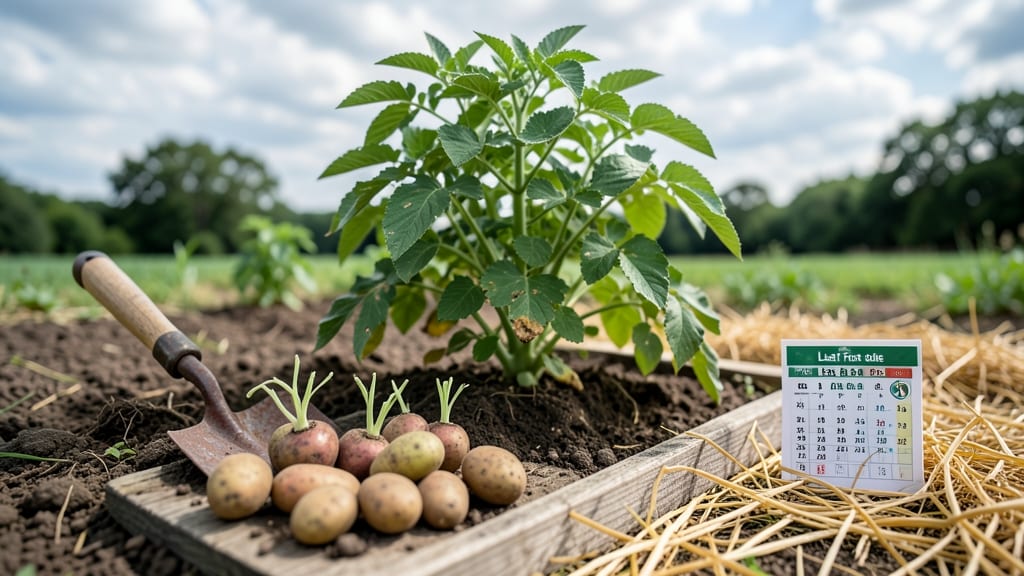
If you’ve ever planted potatoes in Oklahoma only to watch them bolt into bitter, inedible tubers before harvest, you’re not alone.
The perfect timing for Oklahoma’s 🥔 planting season is the secret weapon between a thriving harvest and wasted effort—and it’s all about working with your local climate, not against it.
Most gardeners assume spring is the only window, but Oklahoma’s 6b-8a zones actually allow for two prime planting seasons: early spring (March-April) and late summer (July-August). This dual approach lets you avoid the brutal heat of June while maximizing yield, whether you’re growing Yukon Golds or Red LaSodas.
The key? Understanding your last frost date (around March 15 in most areas) and how to adjust for Oklahoma’s unpredictable weather.
What I’m about to share isn’t just generic advice—it’s a region-specific roadmap for Oklahoma gardeners. We’ll cover how to prep your soil for Oklahoma’s clay-heavy earth, choose varieties that won’t bolt in 90°F+ heat, and time your plantings to avoid common pitfalls like overwatering or planting too early.
No more guessing games—just a foolproof system for zero-bolt potatoes that’ll have your neighbors asking for slips.
Ready to transform your Oklahoma garden into a potato powerhouse? Let’s dive into the exact planting windows, soil tweaks, and care tips that’ll give you a harvest so abundant, you’ll wonder why you didn’t start sooner.
Oklahoma’s ideal potato planting calendar: spring vs fall timing for zero-bolt success
Oklahoma’s variable climate—from USDA zones 6b-8a—means potato planting isn’t one-size-fits-all. The key to zero-bolt harvests (preventing bitter, flowered tubers) lies in timing soil temperatures and regional frost dates. Southern Oklahoma (like Lawton) can plant 2-3 weeks earlier than northern areas (like Enid).
For spring planting, aim for 2-4 weeks before your last frost date (typically March 15 in Oklahoma City, but February 20 in southern regions). Fall planting should occur 90-110 days before first frost (usually July-August), ensuring tubers mature before November’s chill.
Soil temperature is your best guide: plant when it reaches 45°F (spring) or 60°F+ (fall). Use a soil thermometer—Oklahoma’s clay-heavy soils retain heat longer, delaying planting in cooler zones.
Here’s your Oklahoma potato planting timeline, broken down by region and season to avoid bolting (when potatoes flower and turn bitter):
Oklahoma’s micro-climates mean your neighbor’s perfect timing might fail you. For example, Tulsa’s humidity speeds up bolting, while western OK’s dry heat requires extra irrigation. Always chit your seed potatoes (sprout indoors) 4–6 weeks before planting to jumpstart growth in cooler zones.
Pro tip: Use black plastic mulch in spring to warm soil faster—critical in northern Oklahoma’s shorter growing season. In fall, straw mulch insulates tubers from early frosts while keeping them dry.
Missed the spring window? Don’t panic—fall planting works beautifully in Oklahoma if you choose early-maturing varieties (like Red Norland) and plant by July 15. Just harvest before October 15 to avoid frost damage.
Remember: Bolting (flowering) happens when days get long and hot. In Oklahoma, this typically starts late May–June for spring plantings. To prevent it, plant early, hill soil around stems, and choose bolt-resistant varieties like Yukon Gold.
🌱
How to time your potato planting for maximum yield: soil prep, variety selection, and spacing tips
Choosing the right potato varieties and preparing your Oklahoma soil properly are just as critical as timing. Heat-sensitive varieties like Yukon Gold bolt quickly in Oklahoma’s summer, while Red LaSoda handles heat better.
For maximum yield, focus on early-maturing varieties (60-90 days) like Kennebec or Russet Burbank—they avoid Oklahoma’s brutal July heat.
Start with certified disease-free seed potatoes from local nurseries. Cut larger tubers into pieces with at least two eyes each, let them callus for 24 hours, and plant 2-4 inches deep.
Oklahoma’s clay-heavy soils need amendments: mix in compost or aged manure to improve drainage, and raise beds if your yard floods easily. Aim for a pH of 5.0-6.5—test your soil with a kit from Oklahoma State University Extension.